

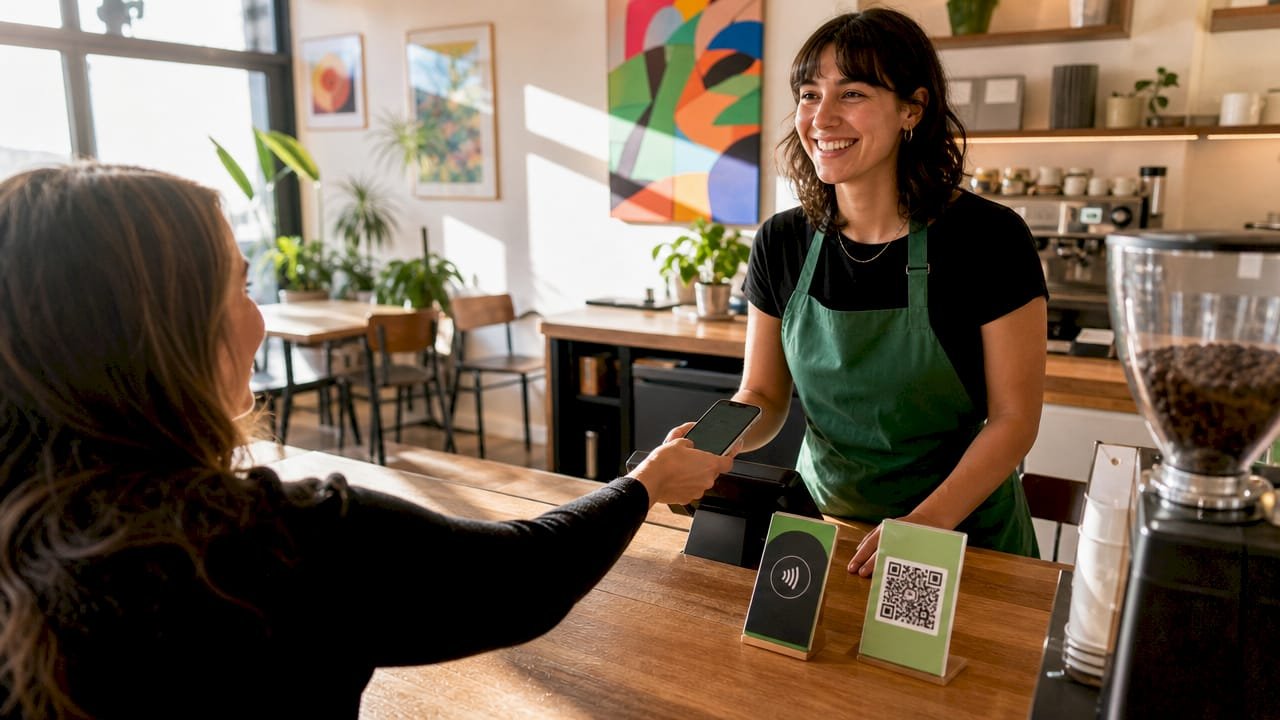
A point-of-sale tipping alternative is any digital or non-traditional method that lets customers leave gratuities outside the conventional POS terminal tip screen, including QR code platforms, digital tip jars, and app-free web-based tipping tools. Platforms like eTip, TipMee, and Tipper have made these alternatives mainstream in 2026, giving business owners real options beyond the awkward tablet flip. Digital tipping solutions can increase average gratuity amounts by 15 to 20% compared to traditional cash or manual methods, and that figure alone explains why operators across hospitality, food service, and personal care are rethinking how they collect tips. The shift matters because it affects not just revenue, but customer comfort and staff retention in equal measure.
What is a point-of-sale tipping alternative?
A point-of-sale tipping alternative replaces or supplements the standard tip prompt on a POS terminal with a method that gives customers more control, privacy, and convenience. The traditional POS tip screen places the customer on the spot at the moment of payment, often with the service worker standing directly in front of them. That dynamic creates pressure, and pressure creates resentment over time.
The alternatives fall into several categories: QR code scanning at the table or counter, NFC tap-to-tip cards, post-transaction digital links sent by text or email, and standalone digital tip jar platforms. Each removes the face-to-face pressure point while keeping the tipping option visible and accessible. For business owners, the added benefit is that every transaction is logged automatically, which eliminates the compliance headaches that come with cash tip handling.
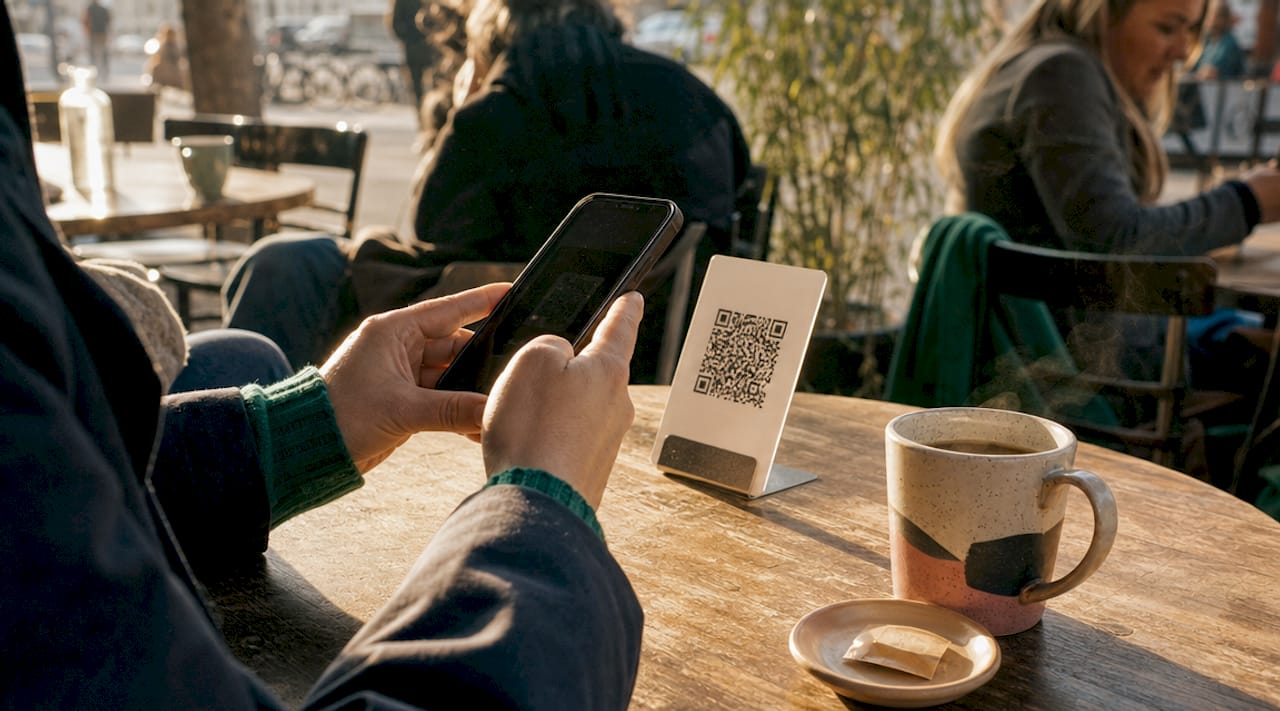
Non-cash tipping options are also aligned with how customers already pay. Contactless and mobile payments now dominate transaction volumes in most service sectors, so a tipping method that works through Apple Pay or Google Pay fits naturally into an existing behavior rather than asking customers to do something new.
How do digital tipping solutions work?
Digital tipping solutions operate through a web-based interface that customers access without downloading an app. A QR code displayed at the counter, on a receipt, or on a table card opens a branded tipping page directly in the customer’s browser. The customer selects a tip amount, pays through their preferred method, and the transaction is recorded instantly.
QR code tipping platforms now operate across 1,000 or more major hospitality venues, and the technology supports automated compliance reporting alongside diverse payout options. Tips can be routed to individual employees or pooled and distributed according to preset rules, with payouts delivered to debit cards, PayPal, or Venmo accounts. That flexibility matters because different business models require different distribution logic.
The compliance and reporting benefits deserve specific attention. Manual cash handling introduces security risks and audit burdens that automated, bank-integrated payout platforms eliminate entirely. For multi-location operators or businesses with high staff turnover, that reduction in administrative work is a genuine operational gain.
Key features to look for in any digital tipping platform:
- App-free access so customers face zero friction at the tipping step
- Automated tip distribution with configurable pooling or individual routing
- Real-time reporting that integrates with payroll and accounting systems
- Multiple payout methods including debit, PayPal, and Venmo
- Branded interface that matches your business identity
Pro Tip: Place your QR code in at least three locations: the receipt, the table or counter surface, and a small card near the exit. Customers who feel rushed at checkout often tip more generously when given a second, lower-pressure moment.
What are the main types of tipping alternatives in 2026?
The market in 2026 offers four primary formats, each suited to different service environments and customer behaviors.
| Method | Best for | Customer pressure | Tracking | Staff payout speed |
|---|---|---|---|---|
| POS-integrated digital tip screen | Full-service restaurants, retail | High | Automatic | Varies by processor |
| QR code tipping platform | Cafes, salons, food trucks | Low | Automatic | Real-time |
| Digital tip jar (standalone link) | Freelancers, creators, pop-ups | None | Automatic | Instant |
| Post-transaction tip link (SMS/email) | Hotels, delivery, remote services | None | Automatic | Real-time |
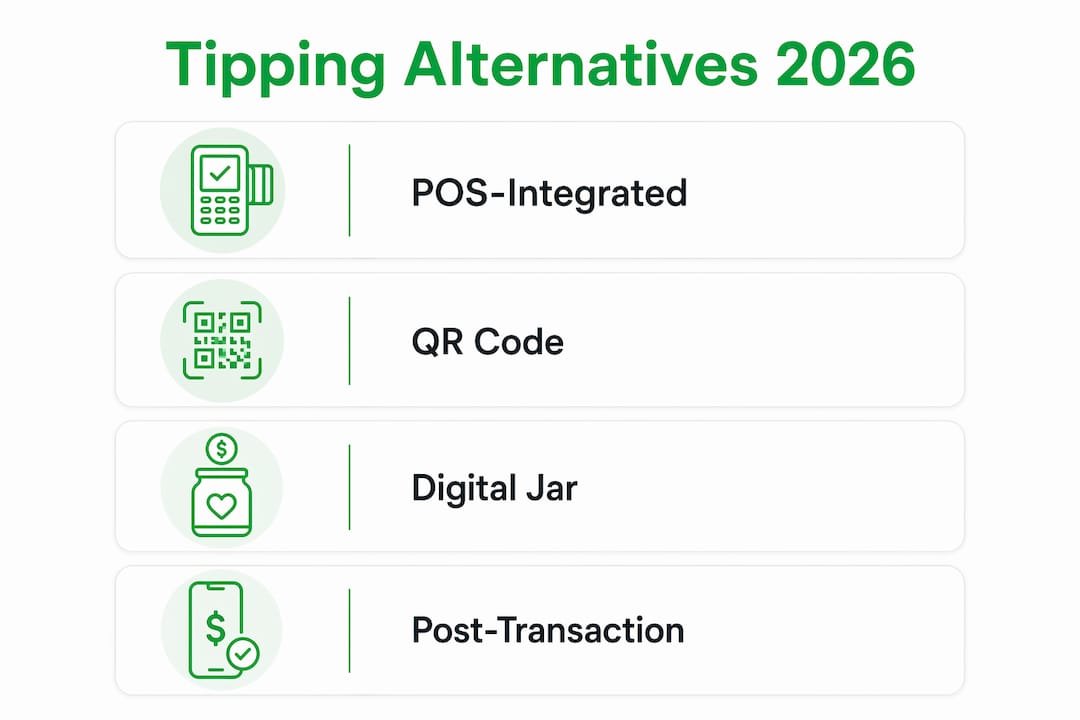
The POS-integrated digital tip screen is the most familiar format. It appears on the payment terminal at checkout and prompts the customer before the transaction closes. It generates the highest tip rates in the short term, but aggressive prompt configurations drive customer tip fatigue and long-term brand damage when overused.
QR code platforms are the fastest-growing category. They decouple the tipping moment from the payment moment, which removes the social pressure that makes many customers uncomfortable. For quick-service businesses like coffee shops and food trucks, a QR code on the counter or cup sleeve gives customers a genuine choice without holding up the line.
The digital tip jar, popularized by creator-economy platforms, translates directly to physical service businesses. A barber, personal trainer, or food vendor can share a personalized link that customers tap through Apple Pay or Google Pay in seconds. Personalized digital tipping experiences also allow for thank-you notes and branded interactions, which turn a routine transaction into a moment of genuine connection.
Post-transaction links sent by SMS or email work particularly well for hotel housekeeping, delivery services, and any situation where the customer and worker are not in the same place at payment time.
How do tipping alternatives affect customers and employees?
The customer experience impact of alternative tipping methods is more nuanced than most operators expect. Removing the face-to-face tip prompt does not reduce tips. It reduces reluctant tips, which are the ones that generate negative reviews and eroded loyalty. Moderate prompt configurations tailored to customer profiles consistently outperform aggressive defaults over a full business cycle.
“Digital tipping should be considered part of the overall guest experience, not merely a revenue tool. Tailoring prompts to customer preferences reduces backlash and builds the kind of loyalty that brings customers back.” — Tip Screen Guide 2026
For employees, the single biggest factor is speed of access. Instant tip payouts significantly boost motivation, retention, and workplace satisfaction by removing the frustration of delayed or opaque tip distribution. A server who knows their tips from Tuesday night are already in their account by Wednesday morning has a fundamentally different relationship with their job than one waiting for a weekly cash envelope.
Personalization features add another layer. Platforms that let customers attach a note or short video message to their tip transform the interaction from a financial transaction into a moment of recognition. Branded tipping interfaces with personalized notes increase customer engagement and loyalty beyond what any static POS screen can deliver. For businesses competing on experience rather than price, that distinction is worth real money.
Pro Tip: Train your staff to mention the tipping option naturally, not as a request. A simple “You can also tip through the QR code on your receipt if you’d like” removes awkwardness and increases follow-through without pressure.
Tip fatigue is a documented pattern, not a theory. Customers who encounter aggressive tip prompts at every transaction, including self-checkout kiosks and digital ordering screens, begin to tune them out or actively resent them. Businesses that offer a clear, low-pressure alternative tipping method position themselves as respectful of the customer’s choice, which is a brand differentiator in a market where that respect is increasingly rare.
How to implement a point-of-sale tipping alternative
Selecting and deploying the right alternative tipping method requires a structured approach. Moving too fast leads to poor adoption; moving too slowly means leaving staff satisfaction and revenue on the table.
-
Audit your current tipping setup. Document what percentage of transactions currently include a tip, the average tip amount, and any staff complaints about distribution delays or disputes. This baseline makes it possible to measure the impact of any change.
-
Match the method to your service model. Quick-service businesses benefit most from QR code platforms that work post-transaction. Full-service restaurants may prefer a hybrid approach that keeps the POS screen for dine-in but adds a QR option for takeout and delivery.
-
Evaluate platforms on payout speed, compliance features, and integration. Confirm that any platform you consider connects to your existing payroll or accounting software. Standalone systems that require manual data export create the same administrative burden you are trying to eliminate.
-
Configure prompts using best-practice settings. Offering three tip options such as 10%, 15%, and 18%, alongside a clearly visible No Tip button, reduces friction and customer resentment. For transactions under $10, fixed dollar amounts like $1, $2, and $3 produce clearer decisions than percentages.
-
Train your team before launch. Staff who understand how the new system works and why it benefits them will advocate for it naturally. Explain the payout timeline, show them how to check their balance, and address questions about tip pooling rules before the first customer interaction.
-
Monitor results and iterate. Track tip rate, average tip amount, and customer feedback for the first 30 days. Adjust QR code placement, prompt wording, or default tip amounts based on what the data shows. Small changes in prompt design can produce measurable differences in outcome.
Key takeaways
The most effective point-of-sale tipping alternative combines low customer pressure with instant employee payouts and automated compliance reporting, making QR code and post-transaction platforms the strongest choice for most service businesses in 2026.
| Point | Details |
|---|---|
| Definition matters | A POS tipping alternative is any method beyond the standard terminal tip screen, including QR codes and digital tip jars. |
| Digital tools outperform cash | Digital tipping platforms increase average gratuity by 15 to 20% while eliminating manual distribution errors. |
| Pressure reduction builds loyalty | Low-pressure tipping formats reduce tip fatigue and protect long-term customer relationships. |
| Instant payouts retain staff | Real-time tip access is a proven driver of employee motivation and frontline retention. |
| Prompt design is operational strategy | Offering three tip amounts plus a visible No Tip option consistently outperforms aggressive default configurations. |
Why I think most businesses are still getting this wrong
I have watched operators spend months debating which POS system to upgrade while their tip setup stays exactly as it was in 2019. The tablet flip is still the default in most coffee shops, salons, and quick-service restaurants, and it is costing them on both ends of the transaction.
The mistake I see most often is treating the tipping interface as a fixed feature of the payment system rather than a customer experience decision. When you frame it as a customer experience decision, the priorities change immediately. You stop asking “how do we get the highest tip percentage?” and start asking “how do we make this interaction feel good for everyone involved?” The second question produces better long-term numbers.
The businesses I have seen get this right share one habit: they piloted a QR code or post-transaction link for a single shift or a single location before committing to a full rollout. That pilot almost always surfaces something unexpected, whether it is a placement issue, a staff communication gap, or a customer segment that responds differently than expected. The businesses that skip the pilot tend to either abandon the new system too quickly or stick with a configuration that is underperforming because they have no baseline to compare it against.
One more thing worth saying directly: the transparency argument for digital tipping is not just about compliance. Employees who can see exactly what they earned, from which transactions, and when it will arrive trust their employer more. That trust is harder to build than any tipping platform, and easier to lose.
— Steve
How Tipper makes digital tipping simple for your business
If you are ready to move beyond the POS tip screen, Tipper gives you a direct path to setup without the technical overhead. Tipper lets customers tip through a personalized link using Apple Pay or Google Pay, with no app required on either side. Creators and service providers keep 100% of their earnings, and the platform supports thank-you notes and video messages that turn a tip into a genuine moment of recognition.
Tipper works for coffee shops, freelancers, personal trainers, and anyone who wants a low-pressure, branded tipping experience that customers actually use. Setup takes minutes, payouts are instant, and the platform handles the reporting so you do not have to.
FAQ
What is a point-of-sale tipping alternative?
A point-of-sale tipping alternative is any tipping method that operates outside the standard POS terminal tip screen, including QR code platforms, digital tip jars, post-transaction SMS links, and app-free web-based tipping tools.
Do digital tipping alternatives increase tip amounts?
Digital tipping platforms increase average gratuity by 15 to 20% compared to traditional cash or manual methods, according to data from platforms like eTip, primarily because they reduce friction and support post-transaction tipping.
How do customers tip without cash or a POS screen?
Customers scan a QR code or tap an NFC card that opens a branded tipping page in their browser, then pay through Apple Pay, Google Pay, or a card without downloading any app.
Which tipping alternative works best for quick-service businesses?
QR code and post-transaction link platforms work best for quick-service environments because they remove the face-to-face pressure of the checkout moment and allow customers to tip at their own pace.
How do I avoid tip fatigue with digital tipping tools?
Offering three moderate tip options alongside a clearly visible No Tip button, and avoiding aggressive default percentages, reduces customer resentment and protects long-term brand loyalty according to 2026 tipping best practices.



Leave A Comment