

Tipping etiquette in service businesses is defined as the set of social norms that govern when, how much, and how customers offer gratuity to workers across different service contexts. According to Pew Research data cited in 2026, 70% of Americans always tip sit-down restaurant servers, while only 9% always tip home repair professionals. That gap tells you everything about how uneven tipping expectations are across industries. For service business owners, understanding these norms is not optional. Clear service business tipping etiquette examples help you set customer expectations, protect staff income, and build the kind of trust that drives repeat business.
1. Standard tipping rates across service industries
Tipping guidelines for services vary significantly by industry, and knowing the benchmarks gives you a foundation for educating your customers.
Restaurants and bars follow the most established norms. The 2026 standard for full-service restaurants is 18 to 20% for good service, 15% for adequate service, and 22 to 25% for exceptional service. Restaurant gratuity is considered non-negotiable due to the labor model in full-service dining, where servers often earn below minimum wage and depend on tips for the bulk of their income. Bartenders follow a separate rule: $1 to $2 per drink for simple orders, or 15 to 20% on a full tab, with more expected for complex craft cocktails.
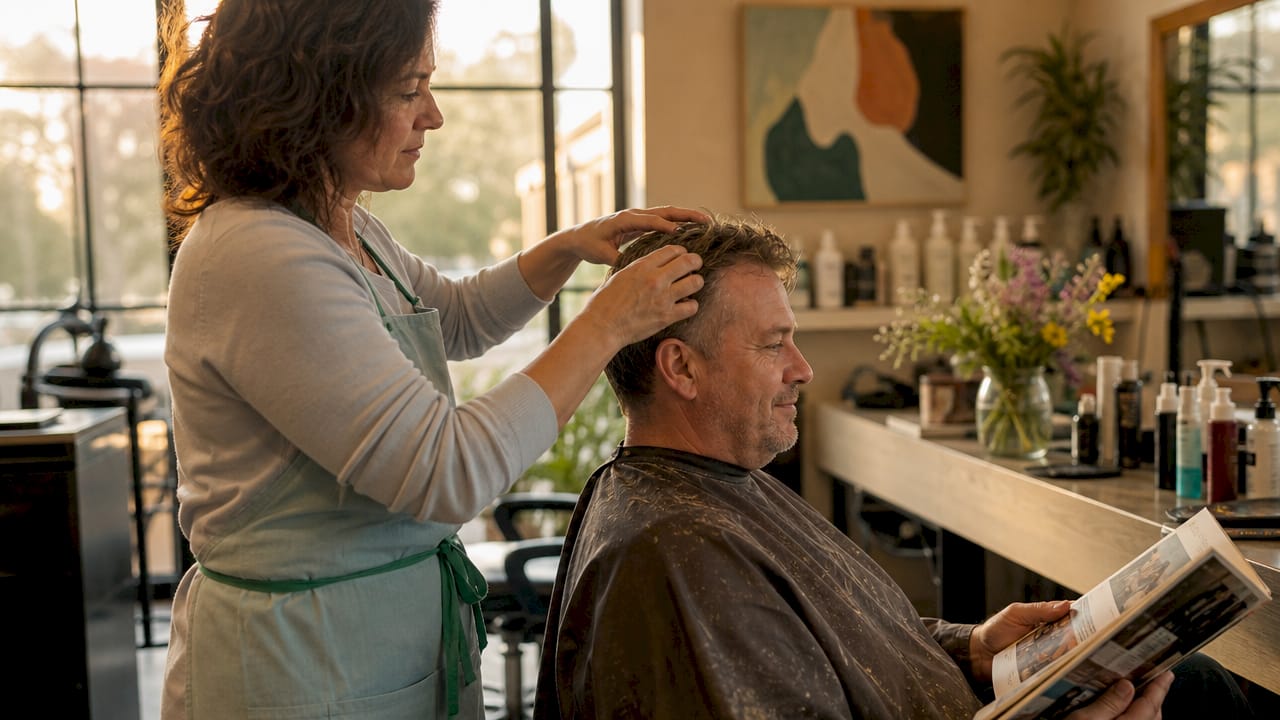
Personal care services like hair salons and barbershops carry a 15 to 20% standard. This applies whether the stylist owns the salon or works as an employee. The Emily Post Institute consistently recommends tipping personal care providers at the same rate as restaurant servers, recognizing the skilled, personalized nature of the work.
Delivery drivers require a minimum floor, not just a percentage. A $5 minimum tip for small orders is the 2026 recommendation, because percentage-based tips on low-value orders fail to cover driver expenses like fuel and vehicle wear. For larger orders, 15 to 20% applies.
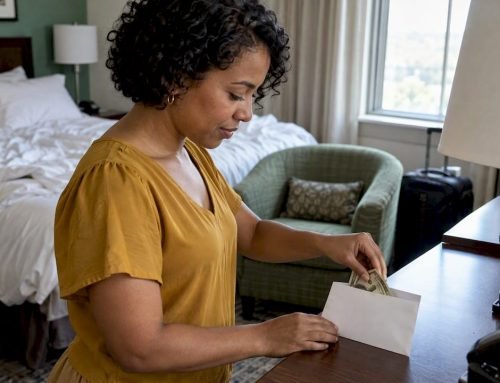
Hotel housekeeping is one of the most overlooked categories. The industry standard is $3 to $5 per night, and tipping daily rather than at checkout matters because staff rotate. A lump sum at the end of a stay may never reach the workers who actually cleaned your room.
| Service Type | Standard Tip Rate | Notes |
|---|---|---|
| Sit-down restaurant | 18 to 20% | 15% for adequate, 22 to 25% for exceptional |
| Hair salon / barber | 15 to 20% | Applies to both employees and owner-stylists |
| Food delivery | 15 to 20% or $5 minimum | Use the minimum for small orders |
| Bartender | $1 to $2 per drink or 15 to 20% | More for craft cocktails |
| Hotel housekeeping | $3 to $5 per night | Tip daily, not at checkout |
| Home services / movers | $10 to $40 per person per day | Not expected, but appreciated for exceptional work |
Pro Tip: If a customer asks your staff how much to tip, train staff to say “We appreciate whatever feels right to you” rather than quoting a number. This avoids awkwardness while keeping the door open.
2. How digital tipping prompts affect customer behavior
iPad tipping fatigue is a documented phenomenon, and it directly affects how customers feel about your business. Digital tipping prompts shown before service in minimal-contact settings reduce customer satisfaction, based on two experiments with over 730 participants published in 2025 by Temple University researchers. The core problem is timing. When a customer is asked to tip before they have received any service, the prompt feels like a toll rather than a reward.
Here is what the research tells service business owners about managing digital prompts effectively:
- Show prompts after service delivery. Prompts displayed post-service align with the psychological expectation that tips reward good work. Pre-service prompts in counter settings feel coercive.
- Reduce the number of preset tip options. Offering three high-percentage presets (20%, 25%, 30%) with a small “custom” button buried at the bottom creates pressure. Include a clearly visible “no tip” option without making it feel shameful.
- Match the prompt to the interaction level. A full-service restaurant with table-side attention justifies a tip prompt. A self-serve kiosk where the customer poured their own coffee does not.
- Test your checkout flow with real customers. Ask a few loyal customers to walk through your payment process and describe how the tip screen made them feel. Their feedback is more reliable than any industry average.
“Service business owners should be strategic with digital tipping prompts to avoid causing negative customer experiences that hurt repeat business even if tips are lost.” — Splitty 2026 Tipping Research
Pro Tip: Platforms like Tipper allow you to send a personalized tip link after the service interaction, completely separating the payment moment from the tipping moment. This removes the pressure of the in-person prompt entirely.
3. How to communicate tipping policies clearly
Transparency about tipping policies prevents customer anxiety and produces more confident, consistent tipping. Customers who understand your tipping culture tip more reliably than those left to guess. This is not speculation. Etiquette authorities in 2026 consistently identify unclear tipping expectations as one of the top sources of friction in service transactions.
Clear communication works through several channels:
- Signage at the point of sale. A small, well-designed card near the register that reads “Our team works hard for you. Tips are always appreciated and go directly to your service provider” removes ambiguity without pressure.
- Staff verbal cues. Train your team to say “Thank you so much, your tip today goes directly to me” when appropriate. Personalizing the tip makes it feel meaningful rather than transactional.
- Digital messaging. If you use booking software or send appointment confirmations, include one line about your tipping culture. Something like “Gratuity is not included in your service price and is always appreciated by your provider” sets expectations before the customer arrives.
- Menu and invoice language. For businesses where tips are standard, noting “Gratuity not included” on receipts removes the guesswork entirely.
Clear tipping policy communication reduces customer confusion and increases tipping confidence, which directly improves staff morale and customer loyalty. Staff who feel financially valued deliver better service. Better service generates more repeat business. The chain is direct and measurable.
Pro Tip: Avoid framing your tipping policy as a rule or obligation. Frame it as context. “Here’s how tipping works here” lands better than “Tips are expected.”
4. When tipping is discretionary or uncommon
Not every service transaction calls for a tip, and tipping etiquette by profession reflects that reality. Movers, for example, receive $10 to $40 per person per day depending on job complexity, but tipping is appreciated rather than expected. Home repair professionals, plumbers, and electricians are tipped by only 9% of Americans, making gratuity a genuine surprise rather than a social obligation in those contexts.
Service types where tipping is optional or less common include:
- Fast food and quick-service counters where no table service is provided
- Takeout orders where the customer picks up their own food
- Owner-operated businesses where the person serving you owns the company
- Home repair and trade services like HVAC, plumbing, and electrical work
- Government or municipal services where tipping can be inappropriate or prohibited
Owner-operators occupy a particularly nuanced position. Tipping a business owner at 20% is accepted but not mandatory. The 2026 consensus among etiquette coaches is that the most valuable thing a customer can give an owner-operator is a positive review or a referral. Both have longer-term business impact than a single cash tip.
For customers who are reluctant or unable to tip, the graceful move is to express genuine appreciation verbally, leave a detailed positive review on Google or Yelp, and return as a repeat customer. Business owners can acknowledge this reality by making it easy for customers to leave reviews directly from their receipt or booking confirmation.
Regional and cultural variability also matters. Tipping norms in New York City differ from those in rural Montana, and international visitors often arrive from countries where tipping is rare or even considered rude. A brief, non-judgmental note in your welcome materials that explains local tipping customs serves both your staff and your guests.
Key takeaways
Effective service business tipping etiquette requires matching gratuity norms to the service type, communicating expectations clearly, and using digital prompts strategically to protect both tips and customer satisfaction.
| Point | Details |
|---|---|
| Know your industry benchmarks | Restaurants expect 18 to 20%; delivery requires a $5 floor; home services are discretionary. |
| Time digital prompts correctly | Post-service prompts increase satisfaction; pre-service prompts in low-contact settings reduce it. |
| Communicate your tipping culture | Signage, verbal cues, and booking confirmations reduce customer anxiety and increase tip frequency. |
| Owner-operators have options | A 20% tip is accepted but not required; positive reviews and referrals carry equal long-term value. |
| Tip daily in hotels | Daily housekeeping tips reach the actual worker; checkout lump sums often do not. |
Why tipping policy is a business decision, not just etiquette
I have worked with dozens of service businesses over the years, and the ones that treat tipping as a passive afterthought consistently leave money on the table. Not because their customers are cheap, but because those customers were never given a clear signal about what was expected or appreciated.
The most common mistake I see is the assumption that customers already know your tipping norms. They do not. A first-time visitor to your salon, spa, or food truck is operating on incomplete information. When you give them context, most people tip generously. When you leave them to guess, anxiety takes over and the tip shrinks or disappears entirely.
What I find genuinely counterproductive is the aggressive preset tip screen. I have watched customers visibly recoil at a tablet showing 25%, 30%, and 35% as the only visible options at a coffee counter. That moment does not just cost a tip. It costs a return visit. The research from Temple University backs this up, but you do not need a study to see it. Watch your customers’ faces at checkout.
The businesses I respect most are the ones that make tipping feel like a natural expression of appreciation rather than a transaction tax. They do this through honest communication, well-timed prompts, and staff who are trained to make the service worth tipping for. That combination is more powerful than any preset percentage.
— Steve
Make tipping effortless with Tipper
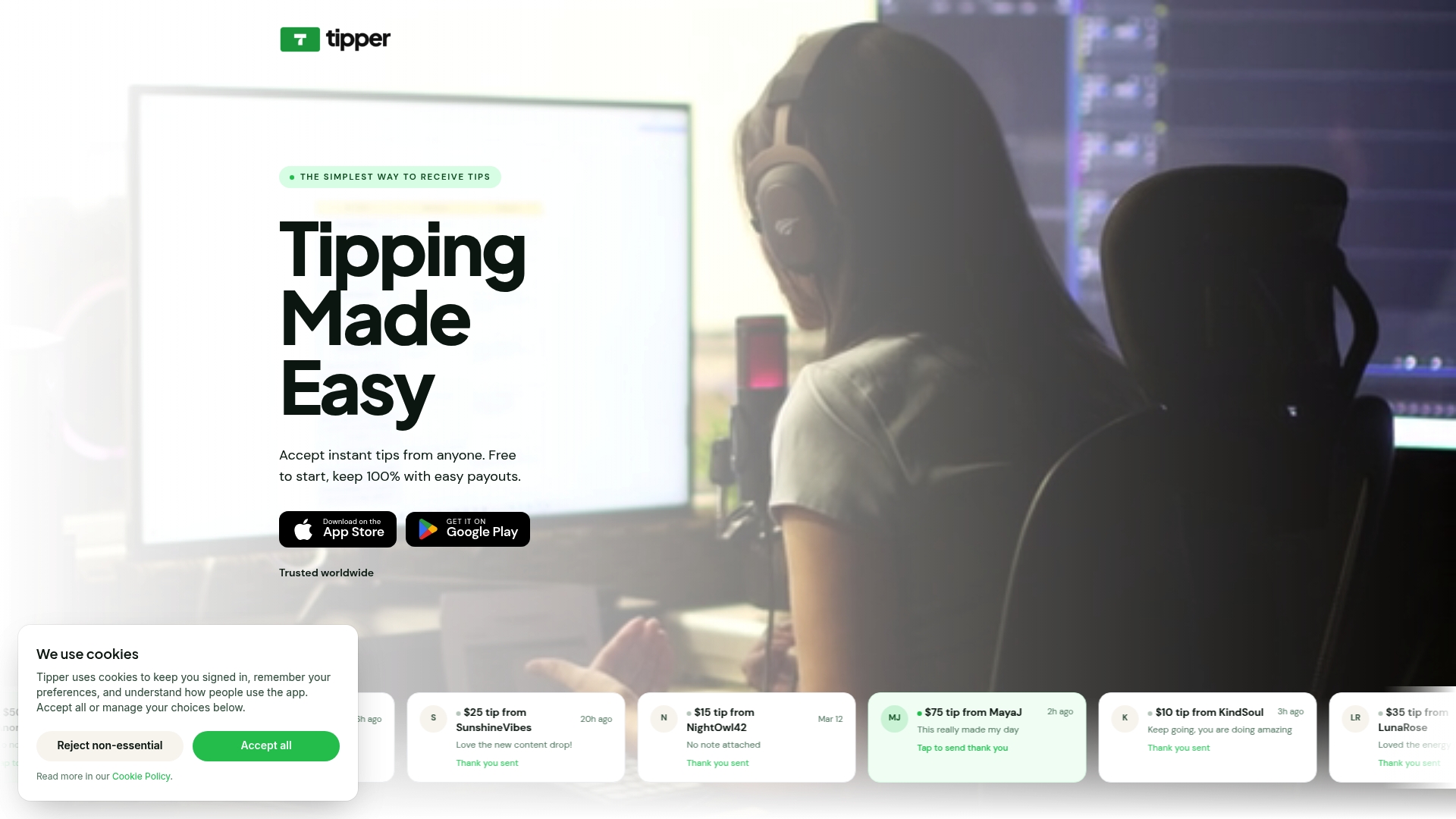
Tipper gives service businesses a direct, pressure-free way to receive gratuity from customers. Instead of relying on awkward in-person prompts, you share a personalized tip link that customers can use after the service, on their own time, with Apple Pay or Google Pay. No account required on their end. No platform fees on yours. Tipper lets you keep 100% of every tip, and customers can attach a thank-you note or video, making the exchange feel personal rather than transactional. If you want to integrate tipping into your service workflow without the iPad fatigue, Tipper is the practical next step.
FAQ
What is the standard tip for a sit-down restaurant in 2026?
The standard tip for full-service restaurants is 18 to 20% for good service, with 15% acceptable for adequate service and 22 to 25% for exceptional work.
Should you tip the owner of a hair salon or barbershop?
Tipping a salon or barbershop owner at 20% is accepted but not mandatory. Positive reviews and referrals are considered equally valuable for owner-operators.
Do digital tipping prompts hurt customer satisfaction?
Yes. Research from Temple University involving over 730 participants found that pre-service digital prompts in low-contact settings reduce customer satisfaction. Post-service prompts perform significantly better.
How much should you tip a food delivery driver?
A minimum of $5 is recommended for small delivery orders, as percentage-based tips on low-value orders do not adequately cover driver expenses. For larger orders, 15 to 20% applies.
Is tipping required for home repair or trade services?
Tipping home repair professionals is not expected. Only 9% of Americans always tip in this category. A verbal thank-you, a positive online review, or a referral is the most common and appreciated form of recognition.


[…] professionalism and makes the request feel natural rather than awkward. You can read more about tipping etiquette by industry to find the right tone for your […]
[…] is delivered, which is closer to the cash model and removes the pre-service pressure. Our guide to service business tipping etiquette walks through examples by […]