
The fastest, highest-conversion way for most podcasters to accept tips is an instant tip link that supports Apple Pay and Google Pay, placed where listeners already look: show notes, episode pages, and a short in-episode call-out. Tipping works best alongside a recurring membership, and any tip income you collect counts as taxable income that must be reported to the IRS.
TL;DR:
- Put the link near the top of show notes and on episode pages, then repeat a brief spoken request at the same point each week.
- Tip links serve listeners supporting a single episode, while memberships inside a hosting app offer recurring perks such as bonus episodes or an ad free feed.
- Digital tips count as gross income; podcasters who work for themselves report them on Schedule C of Form 1040 and owe tax as independent workers.
- Export reports monthly, save payout statements, track each tip by episode, platform, or event, and reconcile amounts missing from tax forms.
- Podcasting 2.0 value tags support streaming micropayments but require a compatible app and remain niche, so treat them as a side experiment.
Table of Contents
- Comparing the main tipping methods podcasters use
- Setting up your tip link, QR code, and episode workflow
- How to ask for tips without sounding awkward
- What you owe: tax rules and recordkeeping for tip income
- Podcasting 2.0 micropayments versus instant tip links
- Why tipping belongs in your production workflow, not just your show notes
- Tipper: built for the instant tip link podcasters need
- FAQ
- Sources
Comparing the main tipping methods podcasters use
Each tipping method captures a different kind of listener, and most shows end up running more than one at once.
- Instant tip links catch casual listeners who want to show appreciation for one episode without committing to anything ongoing.
- Tip jars work similarly but usually sit on a static page rather than moving with each episode, so they convert less often because the ask is less timely.
- Hosting-integrated memberships or subscriptions capture the listener who wants recurring perks like bonus episodes or an ad-free feed, and they reduce friction because payment happens inside the app the listener already uses.
- Micropayments through Podcasting 2.0 are an emerging option that reward listening behavior directly through the podcast app, though adoption is still small.
The Podcasting Authority’s analysis of listener support models finds that one-time tipping mechanisms capture listeners who want to support a single episode, while memberships capture the recurring supporter, and the two work best layered together rather than chosen one over the other. A show that only offers a membership loses the listener who just wants to say thanks once. A show that only offers a tip link misses the chance to turn a repeat tipper into predictable monthly revenue. Running both, with the tip link as the low-commitment entry point, tends to capture the widest range of listener intent. For a deeper look at how support platforms fit into a podcast’s broader revenue mix, layering tends to outperform relying on a single method.
Setting up your tip link, QR code, and episode workflow
Getting tipping live takes one focused session if you follow a short checklist.
- Create a tip link or tip page that accepts Apple Pay, Google Pay, and card payments so listeners on any device can pay in a few taps.
- Add the link to the top of your show notes, not buried at the bottom, since most listeners never scroll that far.
- Embed the same link on your episode’s web page and in your podcast host’s episode description field.
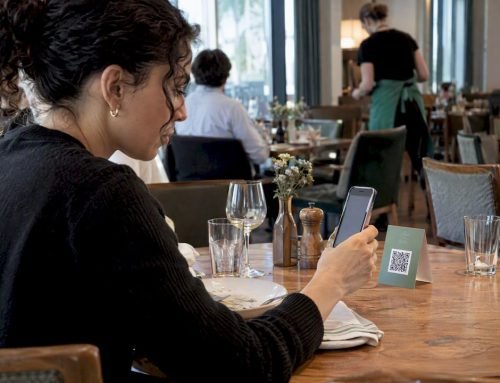
- Generate a QR code version of the link for live events, meetups, or printed materials.
- Add a one-line in-episode call-out near the middle of the show, when attention is highest.
- Build the link into your episode template so every future episode includes it automatically, and add it to your standard social post format.
- Run a test tip through the full flow, from click to payout, and save the confirmation as your first record.
Automating placement matters more than most podcasters expect. A Reddit thread on podcast calls-to-action notes that creators who build support links into their existing workflow, rather than treating them as a separate task, see better results because the link shows up consistently instead of depending on memory. Our guide on real-time tip mechanics walks through what happens technically between a tap and a payout, which is worth understanding before you promote the link widely.
Pro Tip: Put your tip link in the first two lines of your show notes, not the last two: that’s the part listeners actually read.
How to ask for tips without sounding awkward
The ask matters as much as the link itself. A short, specific request outperforms a vague one almost every time.
- Mid-episode ask (15 to 20 words): “If this episode helped you, there’s a tip link in the show notes. Every bit helps us keep making these.”
- Episode close (20 to 25 words): “Thanks for listening. If you want to support the show directly, tap the tip link below. We read every message.”
- Keep the ask short and repeat it in roughly the same spot each episode so regular listeners know exactly when it’s coming.
- Mention a recent supporter by first name or handle (with permission) to show that tipping is normal and already happening.
- Avoid guilt-based language. A simple, low-pressure request converts better than one that frames tipping as an obligation.
Placement consistency builds habit. Listeners who hear the same cue every week start to expect it, which removes the friction of deciding whether this episode is “worth” tipping.
What you owe: tax rules and recordkeeping for tip income
Every dollar you receive as a tip, whether it arrives in cash, through a digital platform, or via a third-party app, counts as taxable income. The IRS’s tip recordkeeping guidance confirms that tips are gross income, and self-employed podcasters report that income on Schedule C of Form 1040, paying self-employment tax on it in addition to regular income tax.
Keeping clean records all year is simpler than reconstructing them in April. Export your payment platform’s reports monthly, save merchant statements as they arrive, and reconcile any tip income that doesn’t show up on a 1099 form against your own transaction history. The IRS guidance on Form 1099-K specifically notes that gross payment amounts from 1099-K forms, plus any tip income not captured on a form at all, both belong in your reported total.
- Export a tip income report from your payment platform at the end of each month.
- Save every merchant or payout statement as it’s issued rather than searching for it later.
- Set aside a percentage of tip income for self-employment tax as it comes in, rather than waiting until it’s due.
- Keep a simple spreadsheet noting the source of each tip (episode, platform, event) in case you need to reconcile totals later.
Our guide to tracking creator tip income for taxes covers this in more detail if you want a repeatable monthly process.
Podcasting 2.0 micropayments versus instant tip links
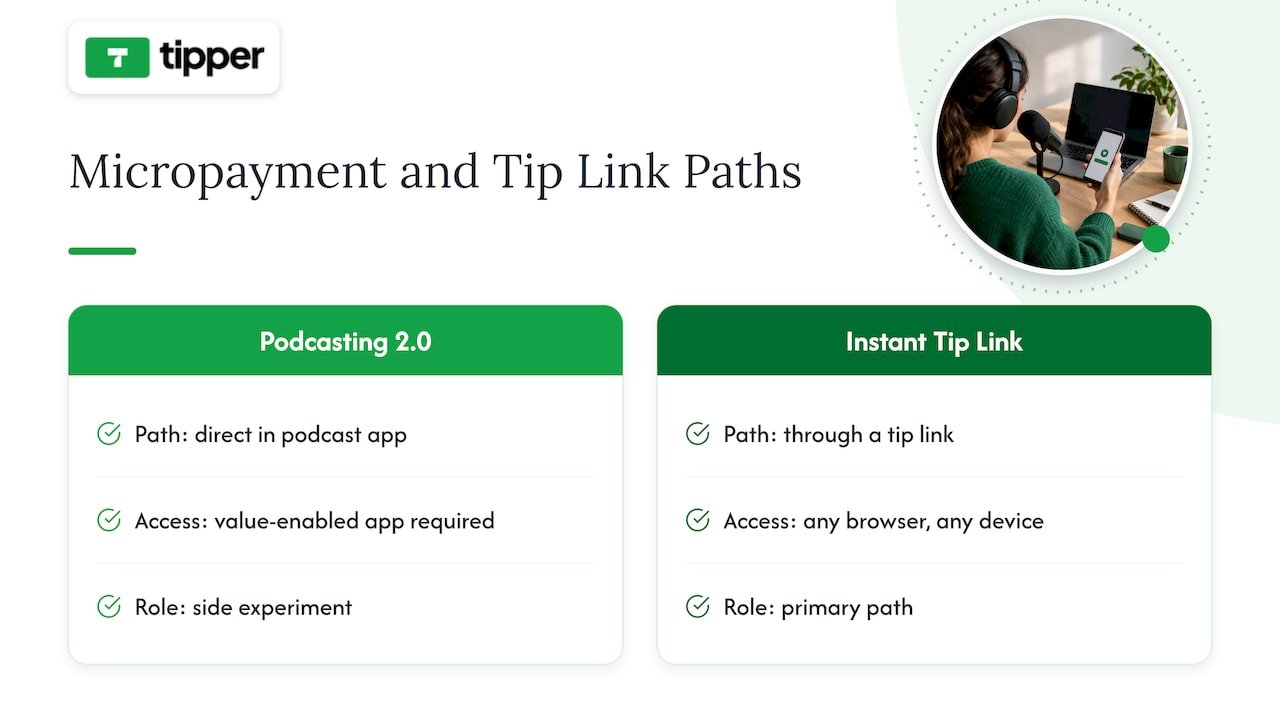
Podcasting 2.0’s value tags and Lightning micropayments let listeners send small amounts directly through a compatible podcast app as they listen, without routing through a traditional payment processor. According to PodcastIndex’s reporting on podcast value, this protocol-level approach offers privacy-forward attribution and streaming micropayments, but it remains a niche option because it depends on listeners using a value-enabled app.
Instant tip links work in any browser on any device, which is why they still convert better for most shows today. The practical move is to keep a mainstream tip link as your primary path and treat value tags as an experiment on the side, not a replacement, while adoption grows.
Why tipping belongs in your production workflow, not just your show notes
Tipping works best when you treat it as ongoing cultivation rather than a one-time setup task; knowing how to choose the right royalty-free music platform for your projects can similarly enhance your production quality, improving listener experience and potentially increasing tips. Build the link into your episode template so it never depends on memory, then track which placement, wording, or episode type actually produces tips. Keep the ask short and thank people specifically: a little iteration, measured over a few months, beats guessing once and moving on.
— Tipper
Tipper: built for the instant tip link podcasters need
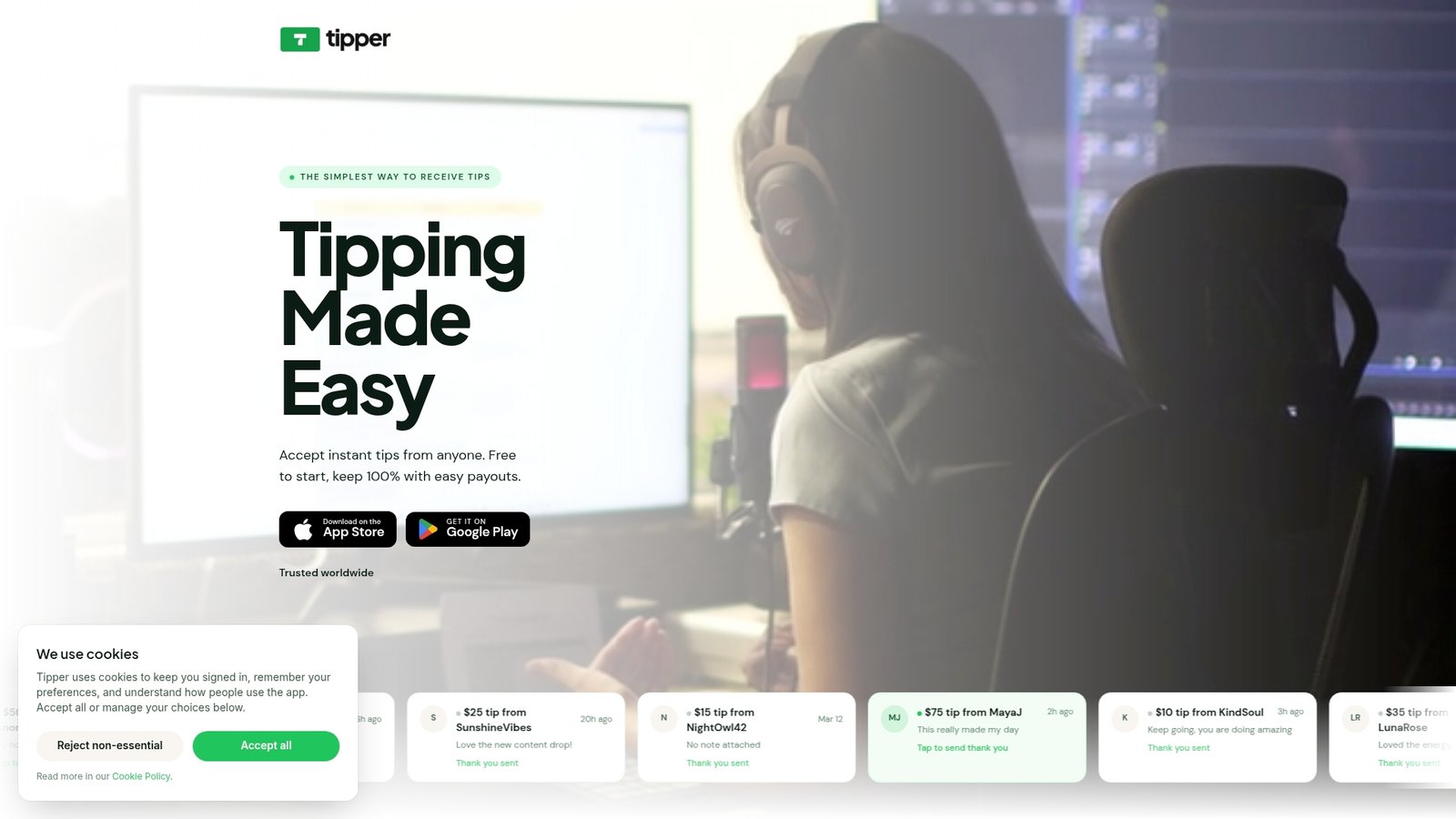
The platform is built around an approach that converts well for podcasters: an instant tip link that works without the sender creating an account, supporting Apple Pay, Google Pay, and card payments so listeners can tip quickly on whatever device they’re already using.
- It lets you create a personalized tip link or QR code in minutes, ready to drop into show notes or episode pages.
- It supports Apple Pay, Google Pay, and card payments so listeners never hit a signup wall.
- It lets you send personalized thank-you notes, photos, or videos back to supporters, which strengthens the connection the episode already built.
- Creators keep their earnings, with a small processing fee added only at checkout.
Place your Tipper link exactly where this guide recommends: top of show notes, episode page, and a short mid-episode mention. Set up your tip link on Tipper and start collecting support from your next episode.
FAQ
What is the best way for podcasters to collect tips?
An instant tip link that supports Apple Pay and Google Pay converts best because listeners can pay in a few taps without creating an account. Pairing that link with a recurring membership option captures both one-time and committed supporters.
Do podcasters have to pay taxes on tips they receive?
Yes. All tip income, including digital tips, counts as taxable income, and self-employed podcasters report it on Schedule C of Form 1040.
Where should I put my tip link for the best results?
Place it at the top of your show notes, on your episode web page, and mention it briefly mid-episode when listener attention is highest. Consistent placement across episodes builds listener habit and improves conversion over time.
Are Podcasting 2.0 micropayments better than a tip link?
Not yet for most shows. They offer privacy-focused, app-based micropayments, but adoption is still small, so a mainstream instant tip link remains the more reliable primary option while value tags stay in the experimental category.
Can I use Tipper alongside a membership or subscription?
Yes. Many podcasters layer an instant tip link with a membership to capture both the casual one-time supporter and the recurring listener, and a Tipper link can sit alongside either without requiring the sender to hold an account.
Sources
- Tip recordkeeping and reporting | Internal Revenue Service
- Podcast listener support models | Podcasting Authority
- Opening Up the Value of Podcasting | PodcastIndex blog



Leave A Comment