

What is a creator and how do you get paid instantly?
A content creator produces digital media, including video, audio, writing, and graphic design, to inform, educate, or entertain an audience across online platforms. You might work as a freelancer choosing your own clients, or in-house as part of a brand’s marketing team. Either way, the core job is the same: make content people want to consume, then build a sustainable income around it.
The term digital creator narrows that definition slightly. Where a content creator might also produce print ads or magazine spreads, a digital creator works entirely online, building an audience and a brand around web-based content. Both roles overlap heavily in practice.
Instant tipping is one of the fastest-growing ways to monetize that work. Platforms that support Apple Pay and Google Pay let your audience send a tip the moment they feel appreciation, with no account creation required on their end. That frictionless experience converts passive viewers into paying supporters in seconds.
Common content formats tied to instant tipping:
- Short-form video (TikTok, YouTube Shorts, Instagram Reels)
- Long-form video tutorials and vlogs
- Written newsletters and blog posts
- Podcasts and audio content
- Digital art, photography, and design templates
- Live streams and real-time Q&A sessions
How do you know if you’re a professional creator or just a hobbyist?
The line between hobbyist and professional comes down to intent. Professionals treat content as a business product and build brands deliberately, while hobbyists create for personal satisfaction without a monetization plan.
Brands have caught on to this distinction. Businesses increasingly prioritize audience trust over raw follower counts when choosing creator partnerships, which means a professional with 5,000 loyal subscribers can outperform an account with 500,000 passive followers in a sponsorship deal.
What separates a professional creator from a casual one:
- Consistent publishing schedule, not sporadic posts
- Clear niche and audience persona
- Tracks performance metrics and adjusts strategy
- Treats presentation quality as non-negotiable
- Actively builds owned channels like email lists
- Diversifies income rather than relying on one platform
How creators monetize digital content in 2026 using instant tipping
Successful creators stack multiple income streams rather than betting on a single source. Brand sponsorships, ad revenue, digital product sales, memberships, affiliate marketing, and instant tips each play a role in a sustainable income model.

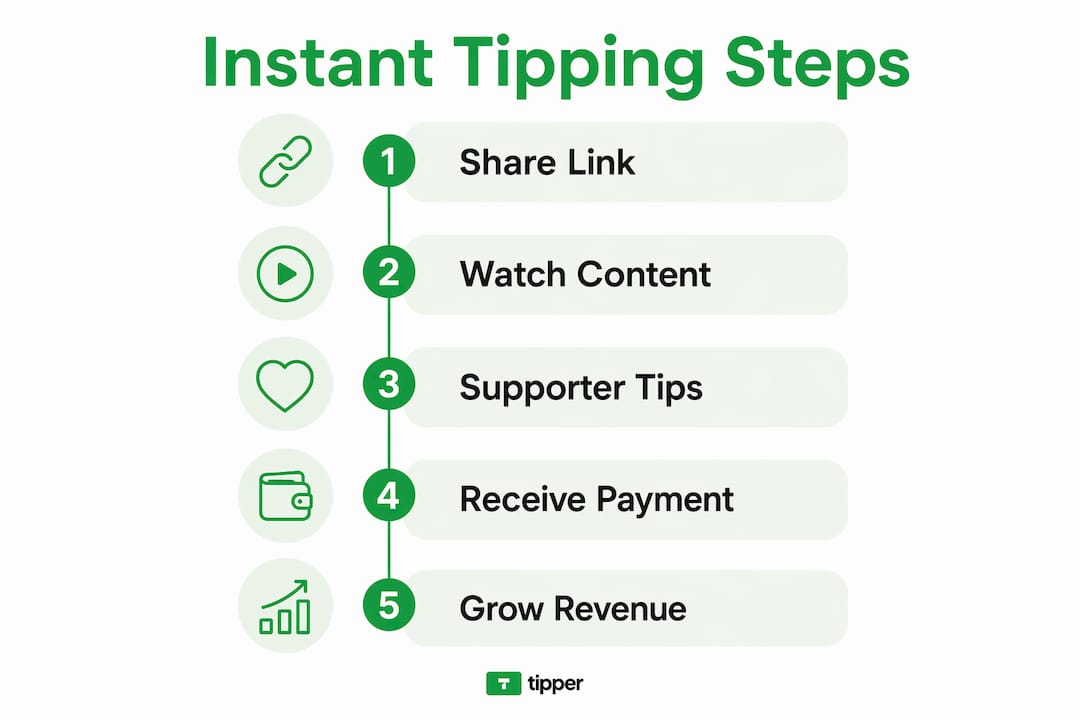
Instant tipping has moved from novelty to core revenue method. The key advantage is zero friction: a supporter clicks your personalized link, taps Apple Pay or Google Pay, and the payment lands immediately. No signup, no waiting, no platform taking a cut of your earnings.
Practical monetization methods for creators in 2026:
- Instant tips via a personalized link (no account needed for supporters)
- Brand sponsorships and long-term ambassador deals
- Digital product sales: courses, templates, presets, eBooks
- Paid memberships and subscription newsletters
- Affiliate commissions on recommended products
- Platform ad revenue from YouTube, TikTok, and similar
Pro Tip: Set up your tipping link in your bio across every platform. A supporter who finishes your video already has their phone in hand. One tap to Apple Pay is the difference between a tip and a forgotten intention.
Best practices for building trust and earning more tips
Consistency is the single most critical factor separating creators who grow from those who stall. Publish on a predictable schedule so your audience knows when to expect you, and they will keep coming back.
Building an owned email list alongside your social presence gives you a direct line to your audience that no algorithm can take away. A small, engaged list typically converts to tips and product sales far better than a large but passive social following.
When someone tips you, respond personally. Personalized thank you notes or short video replies deepen the creator-supporter connection and drive repeat contributions. It takes two minutes and turns a one-time tipper into a regular supporter.
Core best practices:
- Publish on a consistent schedule your audience can rely on
- Build and grow an email list you control
- Reply to tippers with a personal note or video
- Use platform analytics to identify your best-performing content
- Balance free content with gated or exclusive offers to incentivize tips
Why Tipper is changing how creators get paid
Tipper was built around one idea: getting paid should never require your audience to jump through hoops. Anyone can send a tip through your Tipper link using Apple Pay or Google Pay, with no account registration and no friction standing between their appreciation and your earnings.
Creators keep 100% of what they earn. That alone sets Tipper apart from platforms that take a percentage before passing anything along. The instant tip payment model also supports spontaneous generosity: a viewer who finishes a video feeling grateful can act on that feeling immediately, rather than navigating a signup flow that kills the impulse.
What Tipper brings to creator monetization:
- Personalized tipping link shareable across any platform
- No account required for the person sending the tip
- Apple Pay and Google Pay support for instant, secure payments
- Thank you notes and video replies to strengthen supporter relationships
- 100% of earnings go directly to the creator
- Privacy-focused design that builds audience trust
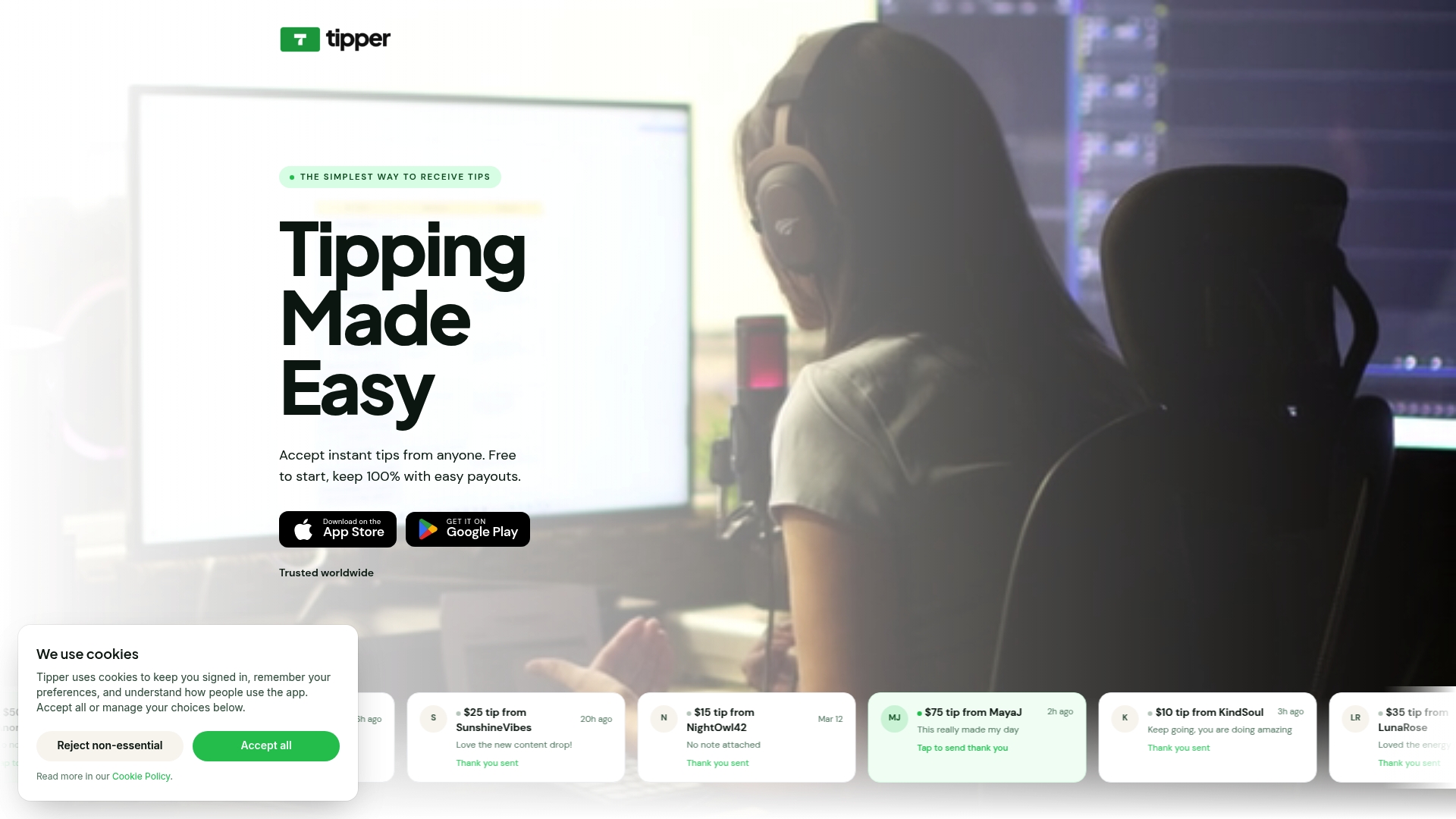
Ready to turn appreciation into income? Start tipping today with Tipper and keep every dollar your audience sends.
The creative and analytical sides of successful content creation
Content creation is both a craft and a numbers game. The role is inherently creative and analytical, using trends in audience behavior to produce media that connects people to a brand or personality. You need the creative instinct to make something worth watching, and the analytical discipline to know whether it actually worked.
Creators who use audience data to refine their content consistently outperform those who rely on gut feel alone. Check which videos get watched to completion, which newsletter subject lines drive opens, and which posts generate comments versus passive likes. Those signals tell you exactly what to make more of.
Analytics tools built into YouTube Studio, Instagram Insights, and TikTok Analytics give you this data for free. The creators who read those dashboards weekly and adjust their approach are the ones who compound their growth over time.
How to grow and engage your audience
Growth comes from giving people a reason to return, not just a reason to click once. Collaborating with other creators in adjacent niches exposes your work to audiences who are already primed to care about your topic.
Engagement beats reach every time. A comment reply, a poll, or a direct question at the end of a video signals to both your audience and the platform’s algorithm that your content is worth amplifying. Salesforce research shows that 53% of customers prefer to engage digitally, and creators who meet that preference with genuine interaction build the kind of trust that converts followers into tippers and buyers.
Cross-promote across platforms, but funnel everyone toward one owned channel, whether that is an email list or a community you control. Social platforms change their algorithms; your email list does not.
Common challenges creators face and how to get past them
Burnout is the most common reason creators quit. Publishing consistently while also managing promotion, analytics, and monetization is genuinely hard work, and the pressure to perform on every post accelerates exhaustion. The fix is batching: record or write multiple pieces of content in one session, then schedule them across the week.
Algorithm changes can wipe out reach overnight. Creators who depend entirely on one platform’s organic traffic are one policy update away from losing their audience. Owning your email list and diversifying across two or three platforms reduces that risk considerably.
Monetization often takes longer than expected. Most creators underestimate how long it takes to build an audience large enough to generate meaningful income from ads alone. Instant tipping sidesteps that problem by letting even a small, loyal audience contribute directly, turning genuine appreciation into real-time revenue from day one.
Legal considerations every creator needs to understand
Copyright protects your original content the moment you create it, but it does not protect you from accidentally infringing someone else’s work. Using unlicensed music, stock footage, or images in your content can result in takedowns or demonetization, even if the use was unintentional. Stick to royalty-free libraries like Pixabay or licensed music platforms built for creators.
Contracts matter for every brand deal, no matter how small. A written agreement should specify deliverables, usage rights, payment terms, and revision limits. Without one, a brand can use your content in ways you never agreed to, including repurposing it for paid ads.
Content ownership on social platforms is governed by each platform’s terms of service, which typically grant the platform a broad license to use your content. That is another reason to publish on owned channels alongside social media: your website and email list are yours in a way that Instagram and TikTok are not.
Tools and resources for tracking your earnings and analytics
YouTube Studio, Instagram Insights, and TikTok Analytics cover platform-level performance at no cost. For a consolidated view across channels, tools like Google Analytics track traffic to your website or link-in-bio page and show you where your audience comes from.
For earnings tracking, a simple spreadsheet categorizing income by stream (tips, sponsorships, products, affiliates) gives you clarity that a single bank statement cannot. Knowing which stream generates the most revenue per hour of effort helps you decide where to focus.
Explore the full range of digital tip jar tools available to creators in 2026 to find the setup that fits your workflow and audience size.
Key Takeaways
Instant tipping converts audience appreciation into direct revenue with no platform cut and no friction for the supporter.
| Point | Details |
|---|---|
| Professional vs. hobbyist | Professionals treat content as a product and build audience trust deliberately, not just follower counts. |
| Diversify income streams | Stack tips, sponsorships, digital products, and memberships rather than relying on one revenue source. |
| Own your audience | An email list you control monetizes more reliably than any social following subject to algorithm changes. |
| Zero friction tips | Tipper lets supporters pay instantly via Apple Pay or Google Pay with no account required, and creators keep 100% of earnings. |
| Analytics drive growth | Weekly review of platform data reveals which content earns the most engagement and repeat tips. |
FAQ
What is a digital creator?
A digital creator produces original online content, including videos, writing, design, and audio, to build an audience and generate income. Unlike a hobbyist, a digital creator treats content as a product with a monetization strategy behind it.
How do creators make money with instant tips?
Creators share a personalized tipping link, and supporters send payments instantly via Apple Pay or Google Pay with no account required. Platforms like Tipper pass 100% of those earnings directly to the creator.
Do you need a large audience to earn tips?
No. A small, engaged audience often generates more tip revenue than a large passive following, because genuine connection drives spontaneous support more reliably than raw reach.
What legal basics should every creator know?
Copyright protects your original content automatically, but you need written contracts for brand deals and should avoid unlicensed music or images. Platform terms of service grant broad usage rights to your content, which is why owning a website and email list matters.
Which analytics tools should creators use?
YouTube Studio, Instagram Insights, and TikTok Analytics cover platform performance for free. Google Analytics tracks cross-channel traffic, and a simple income spreadsheet by revenue stream gives you the clearest picture of where your time pays off most.




Leave A Comment