

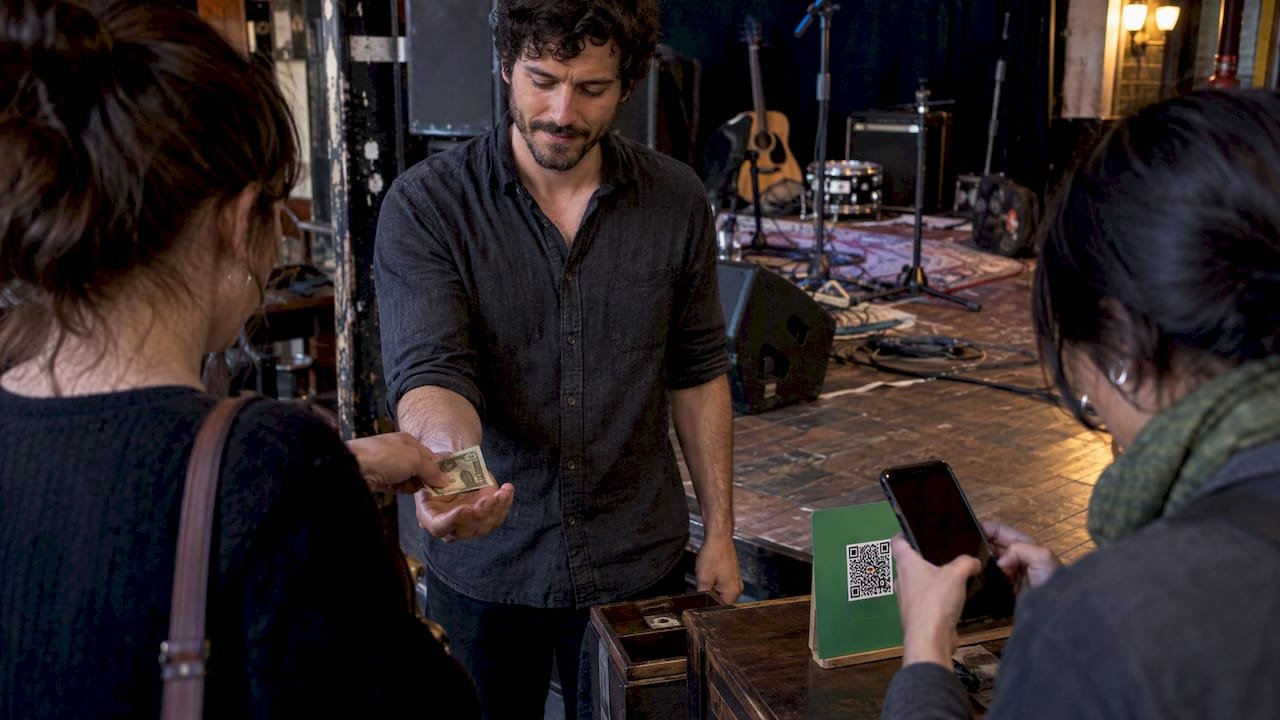
The most practical approach is to accept cash plus at least one cashless method, clearly signposted, and to keep a simple daily record for taxes. A visible sign with one working QR code or link does more for your tip income than a complicated setup with five options nobody understands. All tips, cash or digital, count as taxable income.
TL;DR:
- Accept both cash and at least one digital tipping method, with a visible QR code or link, to maximize tip income and ensure easy access.
- Place signage with suggested tip amounts and clear instructions, especially near the stage or merch table, to encourage spontaneous tipping without pressure.
- Test digital tip links or QR codes before each show, ensuring they scan easily under stage lighting and have backups in case of failure.
- Keep a daily record of all tip income, whether cash or digital, and save receipts or screenshots to simplify tax reporting and comply with IRS requirements.
- Focus on one digital method, like a well-placed QR code or tip link, layered with cash acceptance, to streamline tipping and reduce confusion for supporters.
Table of Contents
- Customary tip amounts and simple rules of thumb for different gig types
- Methods to accept tips: cash, jars, card readers, and QR codes
- Setting up a tip link or QR code before your first show
- Taxes and recordkeeping for tip income
- How to ask for tips without sounding pushy
- Pre-show checklist for smooth tip collection
- Why the cash-plus-one-digital-option approach actually works
- How Tipper fits into your tipping setup
- FAQ
- Sources
Customary tip amounts and simple rules of thumb for different gig types
There is no fixed rate for tipping a musician, but a few heuristics hold up across most gigs. For solo acts and small bands, think in terms of per-set or per-show amounts rather than per-song, since most audiences do not tip between every number.
A few starting points by venue type:
- Coffeehouse or open mic: a few dollars per set is typical, often placed in a jar near the stage or merch table.
- Bar or restaurant gigs: audiences tend to tip more generously when drinks are flowing, especially late in the set.
- Seated dinner shows: tips skew lower per person since the audience is paying for a meal, but larger one-time tips are common from someone celebrating an occasion.
- Private events (weddings, parties): tips are often pooled by the host or client rather than collected from guests directly.
- Busking or street performance: passersby tip in small, frequent amounts, so visibility and an easy drop-in method matter more than suggested figures.
A useful scaling rule: if there’s already a cover charge or ticket price, audiences tend to tip less per person since they feel they’ve already paid for the show. If there’s no cover, tipping becomes the main way the room supports the performer, and signage matters even more. Larger crowds also mean more small tips rather than fewer large ones, so a jar or QR code that’s easy to find will usually outperform one polished ask shouted from the stage.
Methods to accept tips: cash, jars, card readers, and QR codes
Every method has tradeoffs. Choosing the right mix depends on your venue, your audience’s age and payment habits, and how much setup time you want before a show.
- Cash: immediate and universally accepted, but it requires a float, physical security, and someone to count it at the end of the night.
- Tip jars and signage: a jar placed at eye level near the stage or merch table, with a short sign, consistently gets more attention than one tucked behind equipment.
- Portable card readers: useful for venues with steady foot traffic or longer sets, though they add setup cost and usually require a merchant account.
- QR codes and short links: work well for ad-hoc tipping since a phone camera and a few taps complete the transaction, which matters for small, spontaneous tips.
- Peer-to-peer apps vs. creator tip links: peer-to-peer apps often require the sender to have an account and sometimes to friend or search for the recipient, while a dedicated tip link lets a supporter pay in a few taps with no account needed.
Most musicians do best with cash as the baseline and one cashless option layered on top, rather than juggling several payment paths at once. A single well-placed link or QR code, consistently advertised, tends to get more use than three options competing for attention on the same sign. The Digital Tipping Platforms Comparison 2026 breaks down these tradeoffs in more depth if you’re still deciding what fits your act.
Setting up a tip link or QR code before your first show
Getting a digital tipping option running takes less time than tuning a guitar. Here’s a simple path from nothing to ready:
- Create your tip link or QR code through a platform built for this, entering your name or stage name and a short thank-you message.
- Set suggested amounts rather than leaving only an open field. A few preset buttons speed up the decision for a tipper who just wants to tap and go.
- Print or display your QR code somewhere visible: a tent card on the merch table, a laminated sign near the stage, or a slide on a small screen if you use one.
- Test the flow yourself before the show, scanning the code with your own phone to confirm it loads fast and the payment screen looks right.
- Have a backup ready, whether that’s a second printed QR card in your gig bag or the link saved as a text message you can send directly if scanning fails.
Suggested-amount buttons tend to nudge small tips higher than an open amount field alone, though it’s worth leaving one open option for supporters who want to give more. Placement matters almost as much as the method itself: a QR card on the merch table gets seen by people already reaching for their wallets, while a stage overlay or setlist card catches attention during natural pauses between songs. Examples of these placements, including screen overlays and table cards, are collected in this guide to contactless tip collection.
Pro Tip: Test your QR code under the same lighting you’ll have on stage. A code that scans fine in daylight can wash out under colored stage lights.
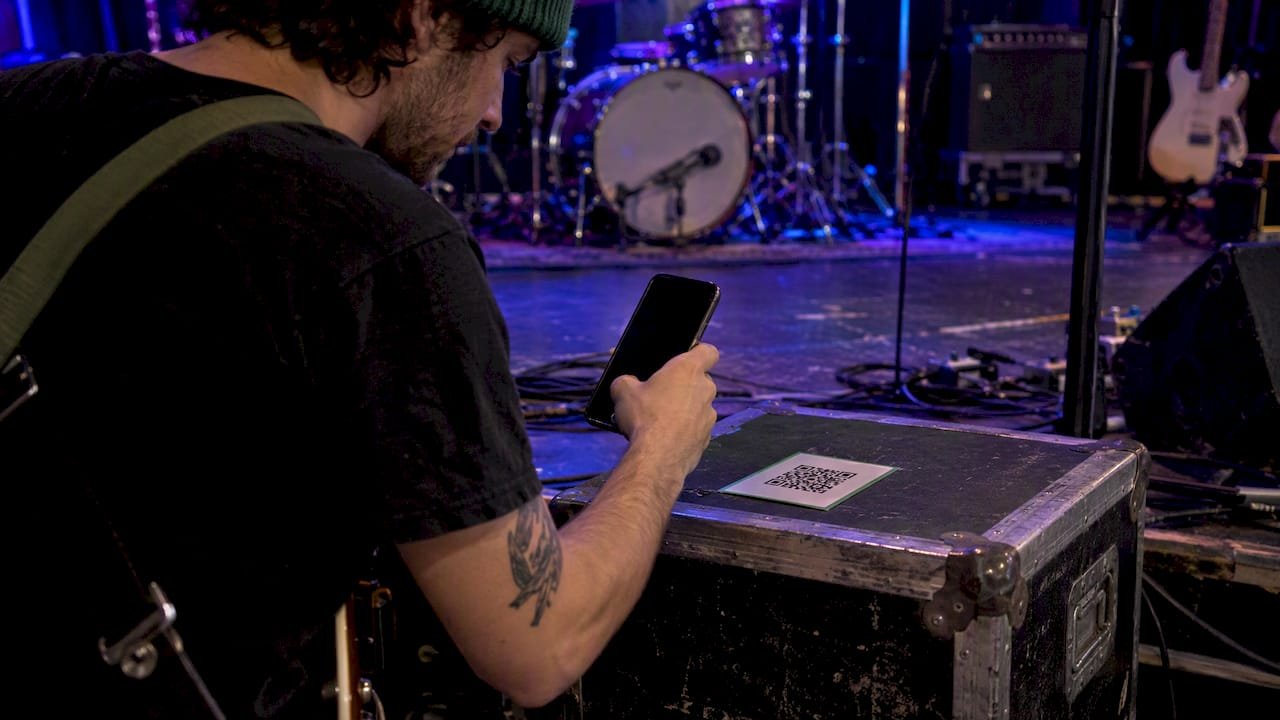
Before you rely on any digital method at a real show, run through a short checklist: does the code scan on the first try, does the payment screen complete without errors, and do you have a second device or printed backup if your phone’s battery dies.
Taxes and recordkeeping for tip income
All tips are taxable, whether they land in a jar as cash or show up as a notification on your phone. The IRS requires employees and self-employed individuals to keep a daily tip record, report tips to an employer when applicable, and include all tip income in gross income on a federal return.
IRS Publication 531 walks through the details: tipped employees should log tips daily, report them to an employer by the 10th of the following month when required, and understand how noncash tips and allocated tips are treated separately from straight cash. Digital tips function the same way as cash for reporting purposes: the method of payment doesn’t change whether the income is taxable, only how you document it.
A workable recordkeeping routine doesn’t take long:
- Keep a daily log of tips received, whether cash, card, or app-based, right after each show while the numbers are fresh.
- Save digital receipts or screenshots from any tipping app or platform so you have a paper trail that matches your log.
- Record tip splits immediately if you perform with a band, noting who received what share.
- Talk to a tax professional for anything unusual, like large one-time tips at a private event or tips received through multiple platforms.
Cash use for in-person payments has declined in recent years, though Federal Reserve data show it remains common for small-value transactions. That’s part of why accepting both cash and a cashless option still makes sense: some audience members will always reach for a few bills, while others will only have a phone on them.
How to ask for tips without sounding pushy
A short, natural line between songs works better than a long pitch. Something like “If you’re enjoying the set, there’s a jar by the stage and a QR code on the table, no pressure” covers both options without turning into a sales moment.
Signage should do most of the talking so you don’t have to repeat yourself all night:
- “Tips appreciated” with a visible QR code works as a simple, low-pressure default.
- A suggested amount (like a short “$5 keeps the music going” line) can help undecided tippers, though an open amount should always be available too.
- One clear sign beats three competing ones, especially in a dim room where people are scanning for information quickly.
Pro Tip: Mention the tip jar once near the start of your set and once near the end. Repeating it every few songs starts to feel like a sales pitch rather than a passing thank-you.
Avoid pressuring the room, skip guilt-based language, and never ask the same way twice in a row. The goal is to make tipping easy to notice and easy to act on, not to make the audience feel obligated.
Pre-show checklist for smooth tip collection
Run through this short list in the hour before you go on:
- Count your cash float so you can make change if someone hands over a large bill.
- Print or restock QR cards for the merch table and stage area.
- Place the tip jar somewhere visible, ideally at eye level near where people will be standing or seated.
- Open and test your tip link on your phone to confirm it loads and the payment screen works.
- Charge your phone or bring a backup battery since your tip link depends on it staying on.
- Create a folder for receipts and screenshots so digital tips are easy to log later.
At soundcheck, scan your own QR code once more and confirm the jar is in its spot before doors open. If a code won’t scan, switch to sending the link directly by text. If a card reader goes offline, fall back to cash and your QR code until it reconnects.
Why the cash-plus-one-digital-option approach actually works
Audiences tip more when the path from “I want to tip” to “I just did” has the fewest possible steps. Every extra tap, every account signup, every moment of confusion is a chance for someone to put their phone away and forget about it.
The musicians who do best with tips usually aren’t running five different payment methods. They’ve picked one cashless option, tested it at a real show, and stuck with it long enough to see what works, adjusting signage or placement rather than adding more choices. Start simple: a jar, one link, and a sign that says what to do.
— Tipper
How Tipper fits into your tipping setup
Tipper is built for exactly this: a personalized tip link or QR page that a supporter can pay through in a few taps, with no account required on their end. It supports Apple Pay and Google Pay, so most phones work without extra typing, and creators keep 100% of what they earn.
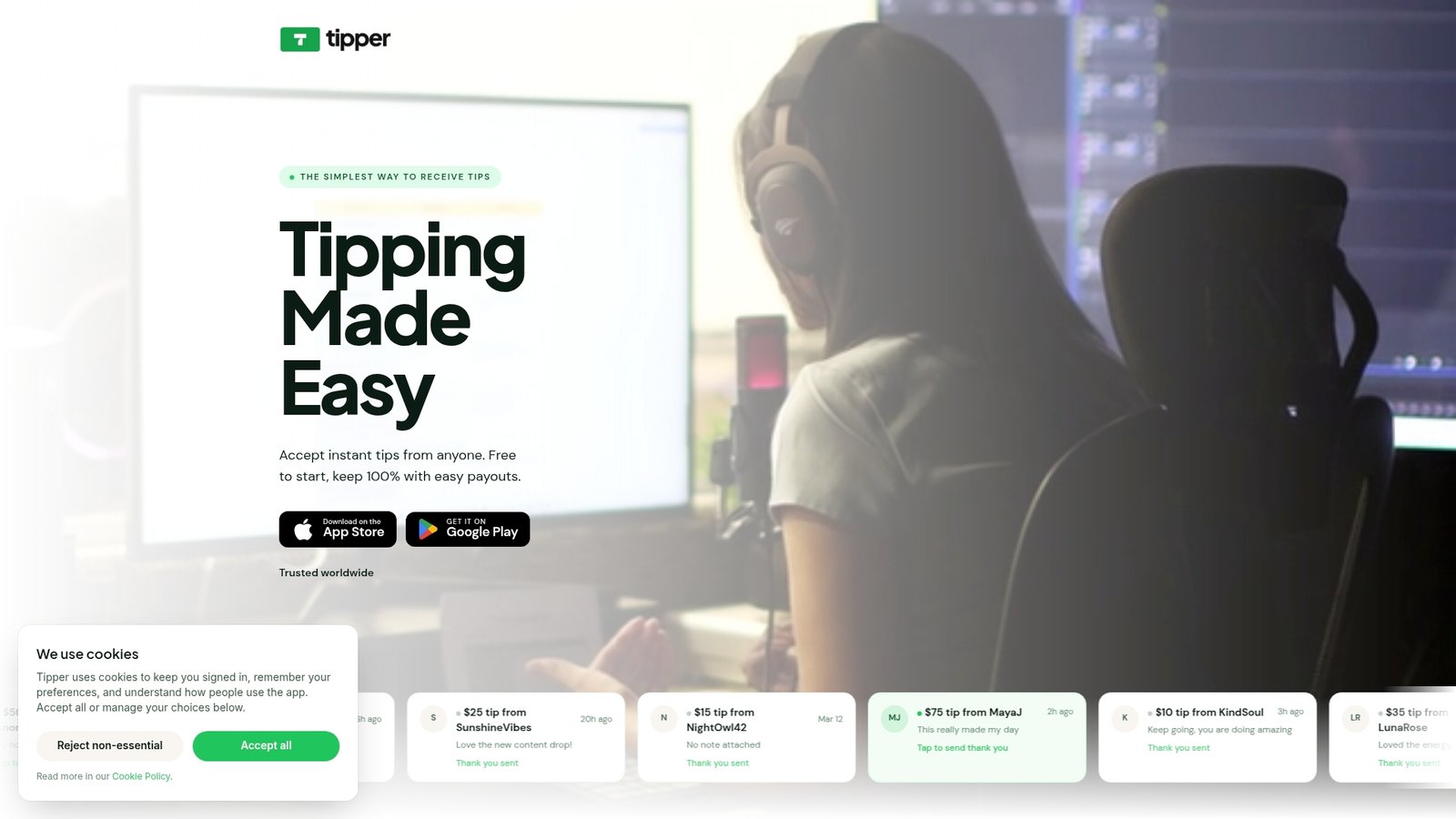
For the setup described above, Tipper maps directly onto the checklist: create your link, set suggested amounts, print your QR code, and test it before doors open.
- Personalized link or QR page that’s easy to print or display on a stage overlay.
- Customizable suggested amounts alongside an open field for bigger tips.
- Thank-you messages, including text, photo, or video, so a supporter gets real-time acknowledgment.
Set up a free tip page at Tipper before your next show.
This article is general information, not a substitute for advice from a qualified financial advisor. Consult a qualified financial professional about your own circumstances before acting on anything here.
FAQ
How much should I tip a musician?
There’s no fixed rule, but a few dollars per set at a casual venue like a coffeehouse or open mic is typical, scaling up for bar gigs, private events, or especially enjoyable sets. The amount usually depends on venue type, whether a cover charge already applies, and how generous the room feels that night.
Is a 10% tip disrespectful?
A flat per-set or per-show amount, scaled to the venue and the audience, is the more common approach.
Who is the richest one-hit wonder?
This question isn’t something the tax and tipping guidance in this article can answer, since it depends on individual earnings and royalty data outside the scope of tip income.
Is 20 dollars a good tip for $100?
A tip of that size would be generous by most live music standards, since musician tipping tends to run in small per-set amounts rather than a percentage of a cover charge or ticket price. Context matters: a tip that large at a small coffeehouse show reads very differently than the same at a large ticketed event.
Sources
For the tax side of tip income, the IRS publishes clear guidance on recordkeeping and reporting. For payment behavior trends, the Federal Reserve’s annual diary tracks how often people use cash versus cards and digital methods. For practical setup examples, Tipper’s own how-to pages cover digital tip jars and contactless collection in more detail.
- Tip recordkeeping and reporting | Internal Revenue Service
- 2024 Findings from the Diary of Consumer Payment Choice


Leave A Comment