

Cash is disappearing fast. What is digital tipping, and why does it matter now more than ever? Physical currency is predicted to account for less than 10% of transactions by the end of 2026, leaving millions of service workers and content creators without the tips they depend on. Digital tipping fills that gap. It lets customers and fans send money instantly through their phones, no wallet required. Whether you’re a restaurant-goer, a streaming fan, or someone who wants to support a favorite creator, understanding how digital tipping works changes how you think about gratitude in a cashless world.
Table of Contents
- Key takeaways
- What is digital tipping and how it works
- Benefits of digital tipping for customers, workers, and creators
- The psychology behind digital tipping
- Comparing digital tipping methods
- Real-world uses and what’s coming next
- My take on digital tipping
- Start tipping the way people actually pay
- FAQ
Key takeaways
| Point | Details |
|---|---|
| Cash decline drives digital tipping | With cash use dropping below 10% of transactions, digital tipping fills a real gap for workers and creators. |
| No account needed to tip | The best digital tipping platforms let anyone send a tip instantly using Apple Pay, Google Pay, or a card. |
| Instant payouts matter | Tips received in real time motivate workers far more than tips bundled into a weekly paycheck. |
| Token systems change behavior | Tokenized tipping in streaming and creator platforms lowers the psychological cost of giving and increases tip frequency. |
| Creators keep more with direct tipping | Platforms like Tipper let creators receive 100% of their tips, unlike platforms that take a percentage cut. |
What is digital tipping and how it works
Digital tipping is the practice of sending a gratuity electronically, without cash, through a phone, tablet, or computer. Instead of dropping a dollar bill on a table or handing coins to a delivery driver, you tap a button, scan a code, or click a link. The money moves instantly.
The most common methods include:
- QR codes: A customer scans a code at the point of sale or on a receipt, which opens a tipping page directly in their browser.
- POS terminal prompts: The payment screen automatically suggests tip amounts, typically 15%, 18%, or 20%, before the customer confirms payment.
- App-based tipping: Platforms and delivery apps include built-in tip options during checkout.
- Personalized tip links: Creators or freelancers share a unique URL that fans click to send a tip directly, no account required.
- Token systems: Streaming platforms sell virtual tokens that users gift to creators during live sessions.
Once a tip is submitted, the platform calculates any applicable fees, then routes the money to the recipient. True digital tipping platforms send funds near-instantly via pay cards, digital wallets, or bank transfers. That is a critical distinction from payroll tip integration, where tips get bundled into the next paycheck and can take days or even weeks to reach the worker.
Pro Tip: When choosing a digital tipping platform, check whether it offers instant payouts or payroll integration. For service workers, same-day access to tips makes a meaningful difference in day-to-day finances.
Benefits of digital tipping for customers, workers, and creators
The shift to digital gratuity systems benefits everyone involved, though the advantages look different depending on which side of the transaction you’re on.
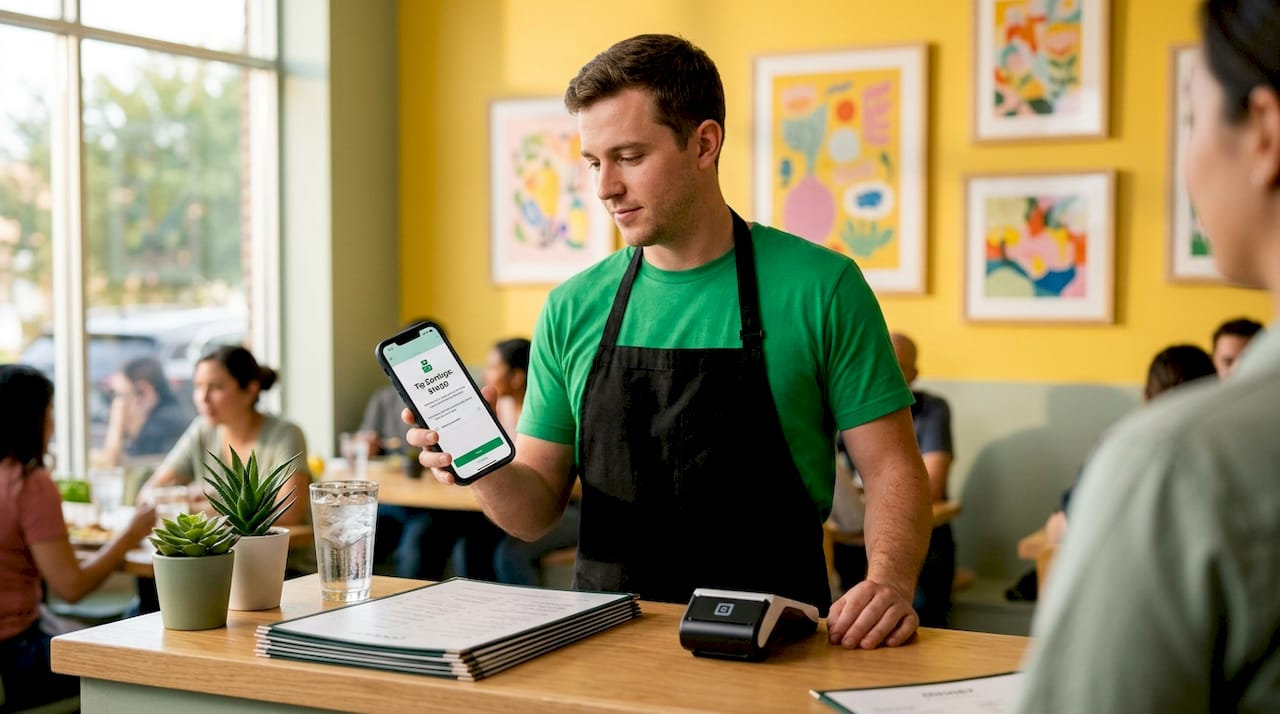
For customers, the biggest win is convenience. You no longer need to carry cash or do mental math at the end of a meal. A tap or a click handles everything. That frictionless experience also means you’re more likely to tip at all. Studies consistently show that digital tipping increases tip frequency compared to cash environments, partly because the process feels effortless.
For service workers, the benefits are more tangible:
- Immediate access to earnings: Tips arrive the same day rather than sitting in a payroll queue.
- Reduced cash shrinkage: No risk of tips being miscounted, misplaced, or skimmed before distribution.
- Better recordkeeping: Every tip is logged digitally, making tax reporting and dispute resolution simpler.
- Higher average tip amounts: Digital prompts with preset percentages tend to nudge customers toward higher amounts than they might choose on their own.
For content creators and freelancers, digital tipping opens a revenue stream that didn’t exist a decade ago. A musician streaming live on a platform can receive tips from fans in five different countries within minutes. A freelance writer can add a tip link to their newsletter and get paid for work that used to go uncompensated. Platforms like Tipper make this possible without requiring the fan to create an account, which removes the single biggest barrier to spontaneous giving.
The data backs this up. Card payments now represent 61% of all transactions, and consumer behavior has shifted permanently toward digital. Businesses and creators that ignore this shift are leaving real money on the table.
The psychology behind digital tipping
Understanding why people tip digitally requires a quick look at behavioral economics. Two forces drive most digital tipping behavior: reduced pain of paying and social signaling.
Reduced pain of paying is exactly what it sounds like. Handing over physical cash feels like a loss. Tapping a phone or clicking a button feels abstract, almost costless. Token systems take this even further. Converting currency into tokens creates psychological distance between the user and their actual money, which lowers hesitation and encourages more frequent giving. It works the same way casino chips do: once money becomes tokens, spending them feels less significant.
Social signaling is the second driver. Leaderboards on streaming platforms show who tipped the most during a session. Public shoutouts reward top tippers. These mechanisms tap into status motives and turn tipping into a form of social participation. Gamified goals and timed challenges push users to tip more than they originally planned.
“The moment tipping becomes a social act rather than a private transaction, the amounts go up. That’s not manipulation. That’s human nature.”
There is a flip side. Automatic tipping prompts can create social pressure that some customers find uncomfortable, and some business owners actively resist them for that reason. The screen facing you at a coffee counter, with the barista watching, is a very different experience from choosing a tip amount privately on your phone after a meal.
Pro Tip: If you use token-based tipping platforms, set a monthly budget before you start. Tokens make it easy to lose track of real spending. Treating your token balance like a prepaid card keeps the experience enjoyable without unexpected charges.
Comparing digital tipping methods
Not all digital tipping platforms work the same way. The method a business or creator chooses affects how quickly tips arrive, how much friction customers face, and how much of the tip actually reaches the recipient.
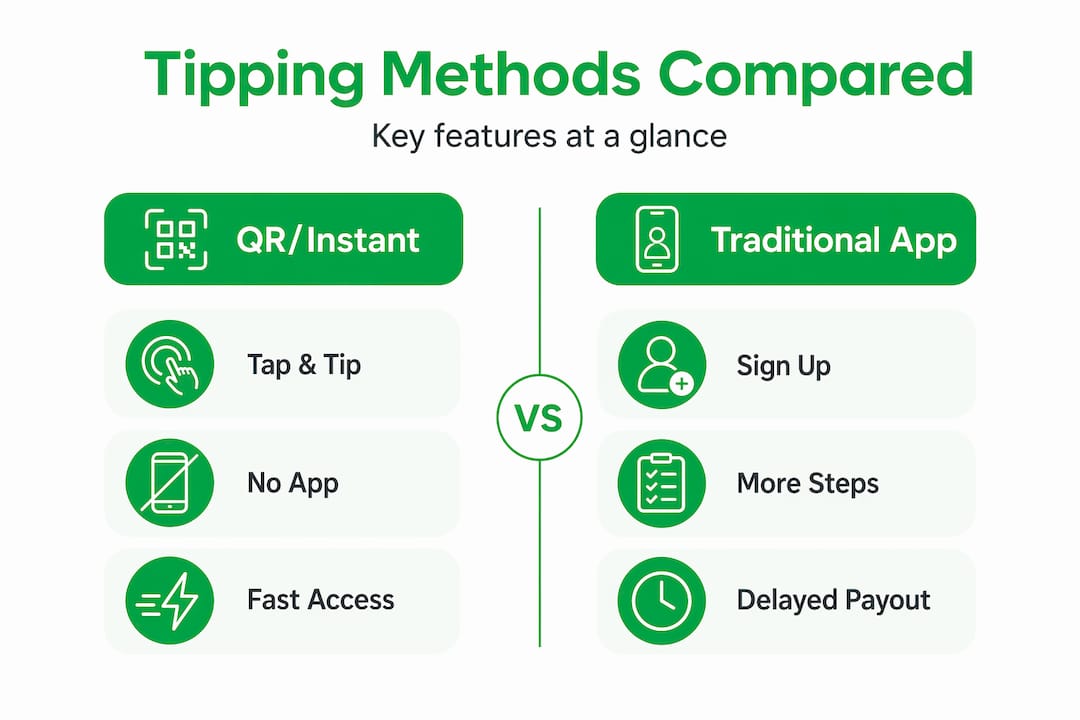
Here’s a breakdown of the main approaches:
| Method | Speed | Friction for user | Best for |
|---|---|---|---|
| App-less QR code | Near-instant | Very low | Restaurants, cafes, delivery |
| POS terminal prompt | Near-instant | Low | Retail, hospitality |
| App-based tipping | Minutes | Medium (requires app) | Delivery platforms, gig workers |
| Personalized tip link | Near-instant | Very low | Creators, freelancers, influencers |
| Payroll tip integration | Days to weeks | None for customer | Large restaurant groups |
| Token systems | Instant within platform | Low after initial purchase | Streaming, gaming, live content |
The app-less QR code approach consistently performs best for capturing tips that would otherwise be lost. Requiring a customer to download an app before tipping is a conversion killer. Every extra step reduces the likelihood they follow through.
Instant payout capability is the other major differentiator. Same-day tip access through pay cards or bank transfers keeps the motivational benefit of tipping intact. When a worker has to wait until Friday to see Tuesday’s tips, the psychological connection between good service and reward breaks down. Payroll integration solves an accounting problem but creates a motivation problem.
For creators specifically, personalized tip links are the most practical option. They require no hardware, no POS system, and no technical setup. A link in a bio, an email footer, or a video description is enough.
Real-world uses and what’s coming next
Digital tipping is already embedded in industries you interact with every day. Here are the most common applications in 2026:
- Hospitality and food service: QR codes on receipts and POS prompts at checkout have become standard in most urban restaurants and cafes.
- Delivery and gig work: Delivery apps prompt customers to tip before or after a delivery, with post-delivery tipping gaining traction as a fairer option.
- Retail and personal services: Salons, spas, and even some retail stores now offer digital tip options at checkout.
- Live streaming and content creation: Platforms use token gifts, badges, and leaderboards to let fans support creators in real time during broadcasts.
- Freelancers and independent creators: Writers, podcasters, and artists use personalized tip links to receive direct support from their audience.
The technology is moving quickly. NFC-enabled tip points let customers tap their phone to a small device to send a tip in under two seconds. Personalized tipping incentives, where a creator sends a thank-you video after receiving a tip, are becoming a standard feature rather than a nice-to-have. Platforms that integrate with existing payment technology reduce setup time for businesses and make adoption nearly frictionless.
The broader trend is toward cashless economies where tipping is built into every transaction layer. For creators, that means more opportunities to monetize genuine audience appreciation. For customers, it means tipping will feel less like a social obligation and more like a natural part of how you interact with the people whose work you value.
Pro Tip: If you support creators online, look for platforms that let you send a personal note with your tip. That small gesture often means more to a creator than the dollar amount itself.
My take on digital tipping
I’ve spent years watching the tipping conversation evolve, and here’s what I’ve actually learned: the technology is mostly good, but the implementation often misses the point.
The immediacy of a tip is what makes it meaningful. When a server gets a cash tip at the end of a shift, there’s a direct feedback loop between their effort and their reward. Delayed payroll payouts break that loop entirely. Any digital tipping solution that doesn’t prioritize same-day access is solving the wrong problem.
What I find genuinely exciting is the creator economy application. A fan sending a $3 tip to a podcaster they’ve listened to for two years is one of the purest economic transactions I can think of. No algorithm, no advertiser, no middleman. Just direct appreciation. The platforms that make that as frictionless as possible are doing something worth supporting.
My caution is around social pressure. Tipping prompts that face the customer while the worker watches create an uncomfortable dynamic that has nothing to do with genuine gratitude. Good digital tipping design gives people a real choice, not a guilt-driven one. The best platforms I’ve seen make tipping feel like a gift, not a tax.
— Steve
Start tipping the way people actually pay
If you’ve been wondering how to support the creators, workers, and freelancers whose work genuinely matters to you, digital tipping is the most direct answer available today.
Tipper makes the whole process straightforward. Anyone can send a tip through a personalized link using Apple Pay, Google Pay, or a card. No account creation, no platform fees eating into the creator’s earnings. Creators receive 100% of every tip and can respond with a personal note or video, turning a simple transaction into a real moment of connection. Whether you’re a creator ready to start receiving tips or a fan looking for a better way to show appreciation, Tipper is built for exactly that. Give it a look and see how easy genuine support can be.
FAQ
What is digital tipping in simple terms?
Digital tipping is sending a gratuity electronically through a phone, app, QR code, or link instead of using cash. The money transfers instantly to the recipient without requiring physical currency.
How does digital tipping replace cash tips?
Digital tipping replaces cash tips by routing payments through mobile wallets, cards, or bank transfers triggered by QR codes, POS prompts, or personalized links. The result is faster, more trackable, and available even when neither party carries cash.
Do I need an account to send a digital tip?
Not always. Platforms like Tipper let anyone send a tip using Apple Pay or Google Pay without creating an account, which removes the biggest barrier to spontaneous tipping.
Are digital tips paid out immediately?
The best digital tipping platforms offer near-instant payouts via pay cards or bank transfers. Payroll-integrated systems, by contrast, bundle tips into regular pay cycles, which can delay access by days or weeks.
What are token-based tips on streaming platforms?
Token-based tips are virtual currencies purchased on streaming platforms that users gift to creators during live sessions. Token systems lower the psychological cost of giving by creating distance between the user and their real money, which tends to increase both tip frequency and size.




[…] Pay or Google Pay is not a red flag. It is a shift in tipping behavior, not audience sentiment. Frictionless payment interfaces change who tips and when, but the tips that do come through tend to carry stronger intent behind […]
[…] tipping tools change the mechanics of how tips are collected and distributed. Digital tipping tools offer frictionless tip collection, potentially increasing tip revenue while reducing the awkwardness of cash handling. For managers, […]
[…] Tip: If you run a business that relies on tip income for worker compensation, digital tipping tools can improve income consistency by creating a reliable, trackable tip flow rather than depending on […]
[…] Digital tipping separates itself from traditional invoicing because tips are voluntary, immediate, and emotionally driven. That distinction shapes every tool choice you make. […]
[…] digital tipping landscape is still maturing, and the bloggers who build the habit of testing and iterating now will have a […]
[…] experience directly increases the number of tips a creator receives. You can learn more about how digital tipping works and why it outperforms traditional cash collection for online […]
[…] is where the privacy calculus shifts in your favor. A well-designed tipping link lets a sender pay without creating an account, which means no persistent profile is built on the […]
[…] out. That’s the entire transaction. No donor account, no login screen, no cart. Understanding how digital tipping works helps explain why this model converts so much better than traditional donation […]
[…] a timestamped record instead of a vague bank line item weeks later. Because Tipper supports Apple Pay and Google Pay alongside card payments, and no recipient account is required for the sender, every transaction […]
[…] you want the basics first, our guide to what digital tipping is and how it works covers the mechanics from […]