

The best privacy-focused tipping approach is a tip link or QR code that skips public feeds, never forces a supporter to create an account, and settles instantly through Apple Pay or Google Pay. We built our tipping platform around exactly that model: participant-only privacy by default, instant checkout, and letting creators keep all their earnings.
TL;DR:
- Consumer Reports found major P2P apps collect more data than transactions require, while FTC scrutiny of Venmo focused on default public activity and confusing settings.
- Check the privacy notice for a stated data retention window, a deletion process, and a clear answer on whether transaction data is sold or monetized.
- Send a test tip before sharing the link, then check whether it appears in any public activity log and whether you can delete the record.
- Confirm the payout timeline before sharing your link, because platforms should disclose when tips clear and how funds reach your bank account.
- Tipper says creators keep all earnings, while a processing fee applies at checkout rather than coming out of their payout.
Table of Contents
- What Privacy-Focused Tipping Platforms Are and How They Differ From Social P2P Apps
- Privacy Checklist Creators Can Use to Evaluate Any Tipping Option
- Step-by-Step: Set Up and Test a Privacy-First Tipping Link or QR
- How Tipper Meets the Privacy-First Checklist
- Privacy as a Trust-Builder, Not a Tradeoff
- Create Your Privacy-First Tipping Link With Tipper
- FAQ
- Sources
What Privacy-Focused Tipping Platforms Are and How They Differ From Social P2P Apps
A privacy-focused tipping platform lets a supporter send money to a creator without publishing that transaction anywhere, without requiring the supporter to open an account, and without collecting more personal data than the payment itself needs. The transaction exists between two people: nobody else sees it, and the platform itself keeps as little of that data as possible.
That stands in contrast to mainstream peer-to-peer payment apps, several of which were built around social feeds. Consumer Reports found that major P2P apps collect more personal data than a transaction requires, stay vague about third-party data sharing, and in some cases publish activity to a feed by default. The Federal Trade Commission’s complaint against Venmo documented exactly this problem: a default public feed and confusing privacy settings exposed users’ transaction details without clear consent.
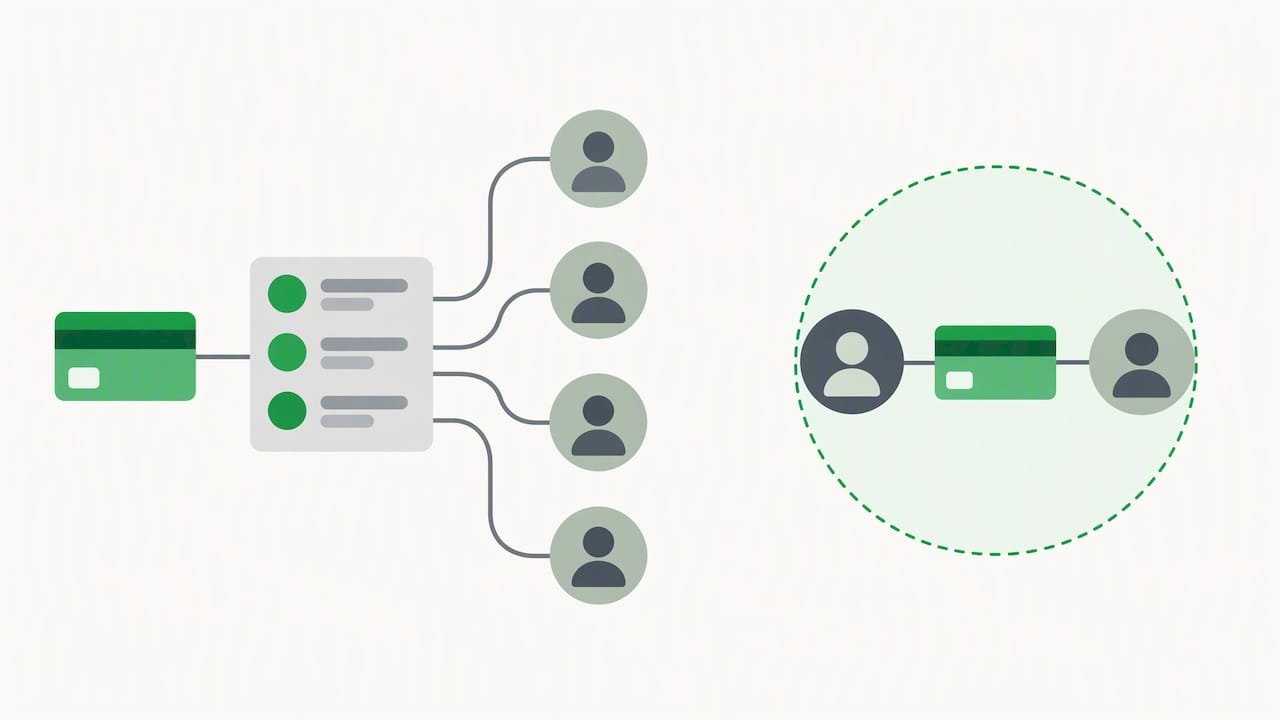
Regulators have taken notice at the policy level too. The CFPB’s request for information on payment data practices found that payment platforms often collect far more data fields than a transaction needs, raising concerns about secondary uses like behavioral profiling and data resale.
A tipping platform built for privacy differs from a social P2P app in three concrete ways:
- It defaults to participant-only visibility instead of a public or semi-public feed.
- It does not require the sender to register, verify identity, or build a profile just to send a tip.
- It states plainly whether it monetizes transaction data, rather than staying silent on the point.
Privacy Checklist Creators Can Use to Evaluate Any Tipping Option
Before you commit to a platform, run it against a short checklist. Privacy claims are easy to make and hard to verify, so look for specific policy language rather than marketing copy.
- Confirm participant-only defaults. The platform should show transactions only to the sender and recipient, with no public feed turned on by default.
- Check how much data gets collected. A privacy-first platform should state clearly that it does not sell or monetize transaction-derived behavioral data.
- Read the data retention policy. Look for a stated retention window and a real deletion process, not just a vague privacy notice.
- Verify payout transparency. You should be able to see exactly when a tip clears and how it reaches your bank account.
- Test payment-method support. Apple Pay, Google Pay, and card checkout should work without the sender creating an account first.
- Understand the fee model. Know upfront who keeps the tip and whether a processing fee applies at checkout.
- Look for basic security measures. Encryption in transit and at rest, plus a privacy notice written in plain language, are the minimum bar.
Consumer Reports suggests testing a transaction yourself before recommending a platform to your audience: send a small tip, confirm it does not appear anywhere public, and check whether you can delete the record afterward. That single test catches most of the privacy gaps that marketing pages leave out.
Pro Tip: Before you share a tipping link publicly, send yourself a test tip and confirm nothing shows up on a public feed or activity log.
Fee transparency matters just as much as privacy. A platform that advertises “zero fees” may be recovering that cost by monetizing your supporters’ transaction data instead, a pattern regulators have flagged in their own inquiries into payment data practices. Read the fine print before you assume free means free. Our comparison of digital tipping platforms walks through how different fee structures actually work in practice.
Step-by-Step: Set Up and Test a Privacy-First Tipping Link or QR
Setting up a private tipping link takes a few minutes, but testing it properly is what actually protects your supporters.
- Create your tip page or QR code and set the privacy defaults to participant-only, with no public feed enabled.
- Turn on Apple Pay and Google Pay so a supporter can check out instantly from a phone, without opening an app or making an account.
- Send yourself a test tip as if you were a supporter, and confirm the transaction creates no public record anywhere.
- Confirm your payout flow: check how long it takes for the tip to reach your bank account and whether that timing is disclosed upfront.
- Place your link or QR code somewhere that preserves supporter privacy rather than broadcasting the transaction.
Good placement options include:
- Your social media bio, where a click leads directly to a private checkout.
- A private or subscriber-only post rather than a public feed item.
- A closed newsletter or email list, where only your actual audience sees the link.
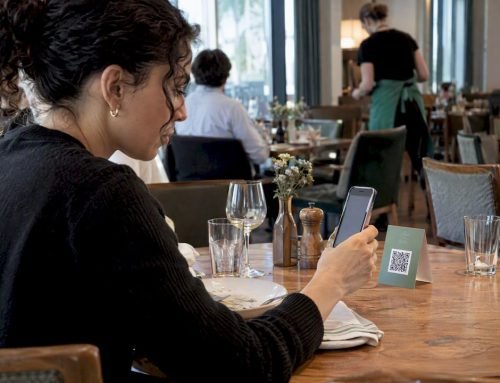
- An in-person QR code with simple signage that does not draw attention to the amount given.
Before you share the link widely, run through a short testing checklist: confirm the privacy setting is participant-only, confirm Apple Pay and Google Pay both complete a checkout on mobile, and confirm the payout timeline matches what the platform states. Our guide to collecting tips without requiring a signup covers the setup flow in more detail, and our privacy-first payment collection setup guide walks through the privacy defaults step by step.
How Tipper Meets the Privacy-First Checklist
Every item on the checklist above maps directly to how we built Tipper.
- We never require a sender to create an account: a supporter taps your link, pays, and the transaction ends there.
- We support instant checkout through popular digital wallets and standard card payments.
- We let creators keep all of what they earn, which is central to how we built the platform.
- We keep the experience participant-focused: no public feed, no social activity stream, just the tip itself.
- We let supporters leave a thank-you note, photo, or video, giving creators a personal connection without exposing the transaction to anyone else.
Setting up a Tipper link follows the same flow described in the checklist above: create your link or QR code, confirm the privacy defaults stay participant-only, and send a test tip to verify checkout and payout before sharing it with your audience. Our piece on keeping 100% of tips with no-fee donation platforms goes deeper into how that earnings model works in practice.
Pro Tip: Run your first real tip through as a small test transaction from your own second device so you can see exactly what a supporter sees.
Privacy as a Trust-Builder, Not a Tradeoff
A lot of creators treat privacy settings as friction between them and a bigger payout. That gets the relationship backwards. A supporter who knows their tip stays private, with no public record and no account required, tips more freely and more often. Tipping is a form of community care as much as it is revenue, and the creators who protect that moment tend to build the most durable support. You don’t have to sacrifice discoverability to get there: a private checkout and a public bio link work together, not against each other.
— Tipper
Create Your Privacy-First Tipping Link With Tipper
Ready to put this into practice? We make it simple to launch a tipping link that keeps every transaction between you and your supporter, with no account required on their end.
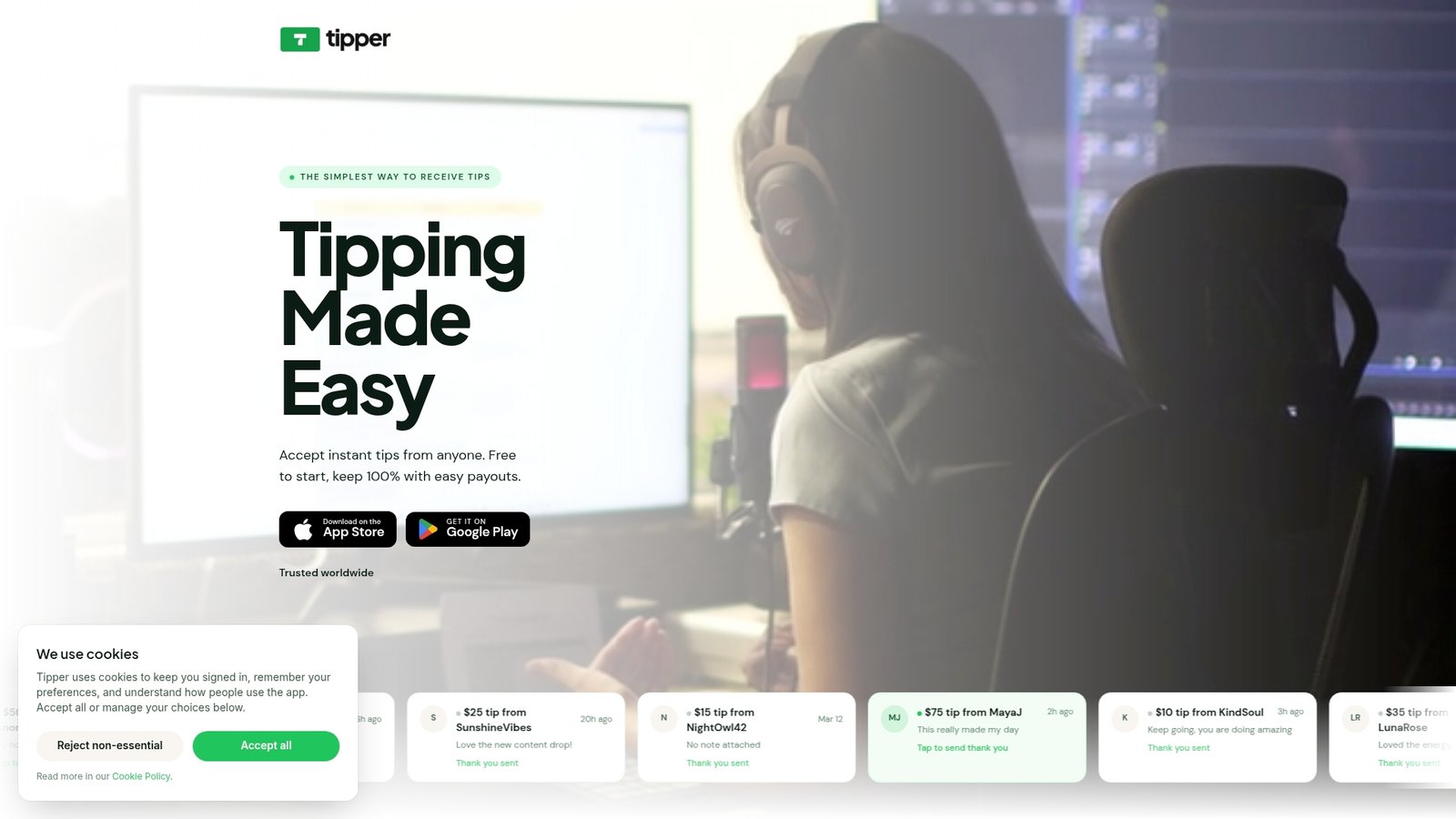
- Create your link or QR code directly on the Tipper landing page and send yourself a test tip before sharing it.
- Accept instant payments through popular digital wallets and card payments, with no sign-up required from your supporters.
- Keep all of what you earn, as we state plainly in describing how we built this platform.
Set up your Apple Pay tipping flow today and start collecting private tips in minutes.
FAQ
What makes a tipping platform privacy-focused?
A privacy-focused tipping platform defaults to showing a transaction only to the sender and recipient, collects minimal data beyond what completing the payment requires, and states clearly whether it sells or monetizes transaction data. Look for participant-only visibility and a plain-language privacy notice rather than marketing language alone.
How is anonymous tipping different from transparent tipping?
Anonymous tipping keeps the transaction private between supporter and creator with no public record, while transparent or social tipping publishes activity to a feed that others can see. Platforms like Venmo have faced FTC scrutiny for defaulting to the transparent model without making that clear to users.
Do supporters need an account to send a private tip?
No. A privacy-first tipping link, including the kind we build at Tipper, lets a supporter pay through Apple Pay, Google Pay, or a card without creating an account first. Requiring an account just to send money is one of the signals that a platform was not designed around privacy.
Who keeps the money from a tip on Tipper?
Creators keep 100% of what they earn through Tipper, which is the earnings model we state directly on our landing page. A payment processing fee applies at checkout rather than being deducted from the creator’s payout.
Are privacy-focused tipping platforms compliant with data protection laws like GDPR?
Compliance depends on the specific platform’s data practices, including how long it retains data and whether it shares data with third parties, so creators should check a platform’s own privacy notice rather than assume compliance. Transparent crowdfunding and payment platforms increasingly publish disclosure checklists that reflect similar regulatory expectations around data handling and consent.
Sources
- CFPB request for information regarding the collection, use, and monetization of consumer payment and other personal financial data
- Apple Cash, Cash App, Venmo, Zelle P2P payment apps compared – Consumer Reports


Leave A Comment