

Getting tipped after project delivery is a direct result of professional invoicing, well-timed follow-ups, and respectful client communication. Tips in service-based work are voluntary appreciation gestures, and typical ranges run from $20 to $50 for small jobs and $50 to $200 for larger projects. That range matters because it tells you clients already expect tipping to be part of the conversation. You just need to make it easy, comfortable, and well-timed. This guide gives you a practical, step-by-step system for receiving project tips using digital tools like Tipper and QuoteIQ without a single awkward conversation.
How to get tipped after project delivery through smart invoicing
The invoice is your first and best opportunity to invite a tip, and most freelancers waste it by sending a plain PDF with no tipping option attached. Modern invoicing platforms allow you to embed optional tip choices directly in digital invoices, letting clients choose a percentage or enter a custom amount at the moment they pay. That moment matters. Client satisfaction peaks right after payment, and a well-placed tip option captures that goodwill before it fades.
Here is how to build an invoice process that encourages tips without pressure:
- Embed a tip option in the invoice itself. Platforms like QuoteIQ process tips alongside standard payments with percentage presets or a custom field. Clients do not need to take any extra steps.
- Send the invoice within 24 hours of project acceptance. Sending promptly keeps your work fresh in the client’s mind and signals professionalism.
- Keep the tip invitation optional and clearly labeled. The word “optional” removes pressure. Clients who feel pressured do not tip. Clients who feel appreciated do.
- Use platforms that send instant tip notifications. Instant notifications reduce guesswork and give you real-time feedback on client satisfaction, which helps you refine your approach over time.
- Separate the tip field from the total due. Never bundle the tip into the invoice total or suggest it is part of the agreed price. It must look and feel like a bonus, because it is.
Pro Tip: Set up two invoice templates: one for payment and one for the follow-up tip invitation. Keeping them separate trains clients to see tips as a distinct, voluntary gesture rather than a billing line item.
Milestone billing also plays a role here. Clients who pay in structured stages throughout a project arrive at the final invoice with less financial stress, which makes them more likely to add a tip. A client who owes you a large lump sum at the end is focused on the number. A client who has already paid 50% is focused on the result.
When should you follow up to maximize tips after project completion?
Timing is the variable most freelancers get wrong. Sending a tip request the same day as the invoice feels transactional. Waiting two weeks means the client has moved on and the emotional peak of project completion has passed.
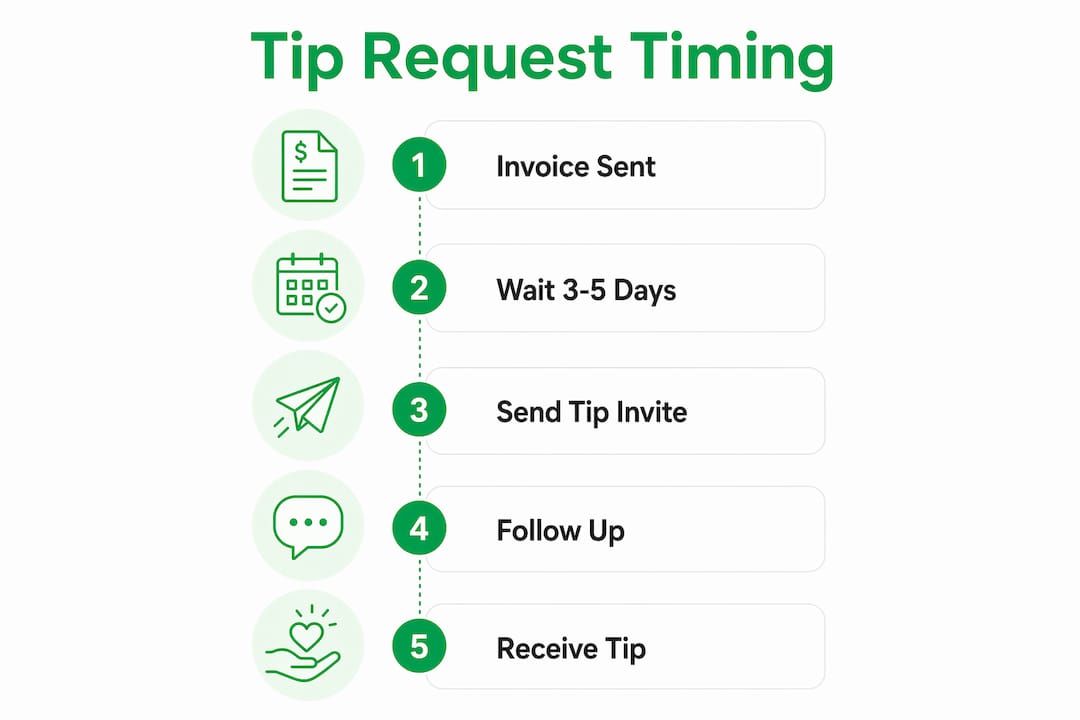
The research is clear: waiting 3 to 5 days after delivery before sending a separate tip invitation yields higher tip rates than immediate or late follow-ups. That window gives clients time to experience the delivered work, feel genuine satisfaction, and respond from a place of gratitude rather than obligation.
Here is a follow-up sequence that works:
- Day 0 (delivery day): Deliver the project with a warm, personal message summarizing what you built and why you are proud of it.
- Day 0 to 1: Send the formal invoice within 24 hours of client acceptance. No tip request here. Just clean, professional billing.
- Day 3 to 5: Send a separate appreciation message. Thank the client by name, reference something specific about the project, and include a tip link or note that a tip option is available if they would like to show appreciation.
- Day 7 (optional): If you also want a testimonial, send a separate request. Never combine the tip ask and the testimonial ask in the same message. Each request dilutes the other.
- Ongoing: Use automation tools like Zapier or Make to trigger these follow-up sequences automatically based on project status changes in your project management tool.
Pro Tip: Send your tip invitation on a Tuesday, Wednesday, or Thursday between 9 a.m. and 11 a.m. in the client’s time zone. Mid-week, mid-morning messages consistently see higher open and response rates than Monday or Friday sends.
The key principle behind this sequence is separation. Separating financial transactions from voluntary gifts is a professional best practice that protects client trust and keeps tips feeling like what they are: genuine appreciation, not an extra charge.
Client communication strategies that make tipping feel natural
Many clients avoid tipping because they misread it as a hidden fee or a sign that your quoted rate was too low. Framing tips as voluntary post-delivery gestures shifts that perception immediately. The language you use in your follow-up message does most of the work.
Use these communication principles to make tipping feel natural and appreciated:
- Reference the value delivered, not the effort spent. Clients tip based on results, not hours. Remind them what changed for them because of your work. “Your new website is now live and optimized for mobile” lands better than “I worked 40 hours on this.”
- Use the client’s name and a specific project detail. Generic thank-you messages feel automated. A message that references the client’s actual project signals genuine care and increases the likelihood of a tip.
- Position the tip as a thank-you option, not an expectation. Language like “If you’d like to show your appreciation, a tip is always welcome and never expected” removes pressure while keeping the door open.
- Invite feedback or a testimonial in a separate message. A glowing review often delivers more long-term business value than a cash tip. Treat both as separate wins, not competing asks.
- Include a warm thank-you note with the tip option. A sincere thank-you note alongside a tip link increases perceived sincerity and encourages generosity. Clients respond to being seen as individuals, not accounts.
The tone of your message matters as much as the timing. A client who feels respected and genuinely appreciated is far more likely to tip than one who receives a boilerplate follow-up email. Write like a person, not a billing system.
What digital tools make receiving project tips easier?

The right tools remove friction from both sides of the tipping transaction. When a client can tip in two taps using Apple Pay or Google Pay, the barrier to acting on their gratitude drops to almost zero.
| Tool | Primary function | Tip feature |
|---|---|---|
| Tipper | Personalized tip link for creators and freelancers | Instant tips via Apple Pay, Google Pay, no account needed |
| QuoteIQ | Service business invoicing | Embedded tip options with percentage or custom amounts |
| Zapier | Workflow automation | Triggers follow-up tip request emails based on project status |
| Make | Advanced automation | Multi-step sequences for invoice, tip, and testimonial requests |
Tipper stands out for freelancers and creators because it operates outside the invoice entirely. You share a personalized link, and clients tip directly without needing an account or navigating a payment portal. Tipper also lets clients attach a thank-you note or video, which strengthens the connection between you and your supporters. You keep 100% of what you receive, which is not the case with every platform.
QuoteIQ handles the invoice-embedded approach well, making it a strong choice for service businesses that want tipping built into their billing workflow. The two tools serve different moments: QuoteIQ captures tips at payment, Tipper captures them at any point in the relationship.
Pro Tip: Share your Tipper link in your email signature, project delivery message, and invoice footer. Clients who want to tip but miss the invoice moment can still act on that impulse days later.
Automation tools like Zapier and Make connect your project management software (Asana, Trello, ClickUp) to your email platform, triggering tip request sequences automatically when a project moves to “complete.” This removes the manual follow-up burden and ensures no client falls through the cracks.
Common mistakes that kill your chances of getting a tip
Avoiding these errors is as important as following the right steps. One misstep can undo a strong project delivery and leave a client feeling uncomfortable rather than generous.
- Asking for a tip before the project is complete. Tips are post-delivery appreciation. Requesting one mid-project signals entitlement and damages trust.
- Combining the tip request with the invoice. When a tip appears next to a balance due, clients read it as pressure. Keeping payment and tip requests separate is non-negotiable.
- Suggesting a minimum tip amount. Specifying a floor removes the voluntary nature of the gesture. Let clients decide what feels right.
- Sending the tip request too early or too late. Too early means the client has not yet experienced the value. Too late means the emotional peak has passed. The 3 to 5 day window exists for a reason.
- Stacking multiple requests in one message. Asking for a tip, a testimonial, and a referral in the same email creates decision fatigue. Each ask gets a dedicated message.
- Ignoring cultural context. Tipping norms vary significantly across industries and countries. Defining clear project handoffs and acceptance criteria upfront builds the client respect that makes tipping more likely, regardless of cultural background.
Key takeaways
Getting tipped after project delivery requires a deliberate system: professional invoicing with an embedded tip option, a 3 to 5 day follow-up window, and communication that frames tips as voluntary appreciation rather than expected payment.
| Point | Details |
|---|---|
| Embed tips in invoices | Use platforms like QuoteIQ or Tipper to add optional tip fields at the payment stage. |
| Separate payment and tip requests | Send the invoice within 24 hours, then follow up with a tip invitation 3 to 5 days later. |
| Use personal, specific language | Reference the client’s name and project details to make your thank-you feel genuine. |
| Automate the follow-up sequence | Tools like Zapier and Make trigger tip requests automatically, so no client is missed. |
| Avoid stacking requests | Send tip, testimonial, and referral asks in separate messages to prevent decision fatigue. |
Why the timing conversation changed how I approach every project close
I spent years treating the end of a project as a finish line. Deliver the work, send the invoice, move on. Tips were a pleasant surprise when they happened, not something I thought I could influence. That changed when I started paying attention to when clients tipped versus when they did not.
The pattern was obvious once I looked for it. Clients who tipped almost always did so within a week of delivery. Clients who received a tip request the same day as the invoice almost never did. The invoice moment is a financial transaction. The tip moment is an emotional one. Mixing them kills the second.
What actually moved the needle for me was writing a short, personal message three to four days after delivery. Not a template. A message that mentioned something specific about the project, acknowledged the client by name, and ended with a single sentence about tips being welcome but never expected. The response rate was noticeably higher than anything I had tried before.
The other shift was using a tool like Tipper for clients who wanted to show appreciation outside the invoice flow. Some clients miss the invoice moment entirely but still want to tip later. A link in my email signature gave them a frictionless way to do that on their own timeline. Tipping made easy is not just a tagline. It is the actual product experience, and clients notice the difference between a clunky payment portal and a two-tap Apple Pay transaction.
The uncomfortable truth about tips is that they are a measure of client experience, not just project quality. A technically perfect deliverable with poor communication rarely gets tipped. A good deliverable with warm, professional follow-through almost always does.
— Steve
Start receiving tips effortlessly with Tipper
Tipper gives freelancers and creators a personalized tip link that clients can use instantly, no account required, no friction, no awkward conversations. Clients pay with Apple Pay or Google Pay in seconds, and you keep 100% of every tip you receive.
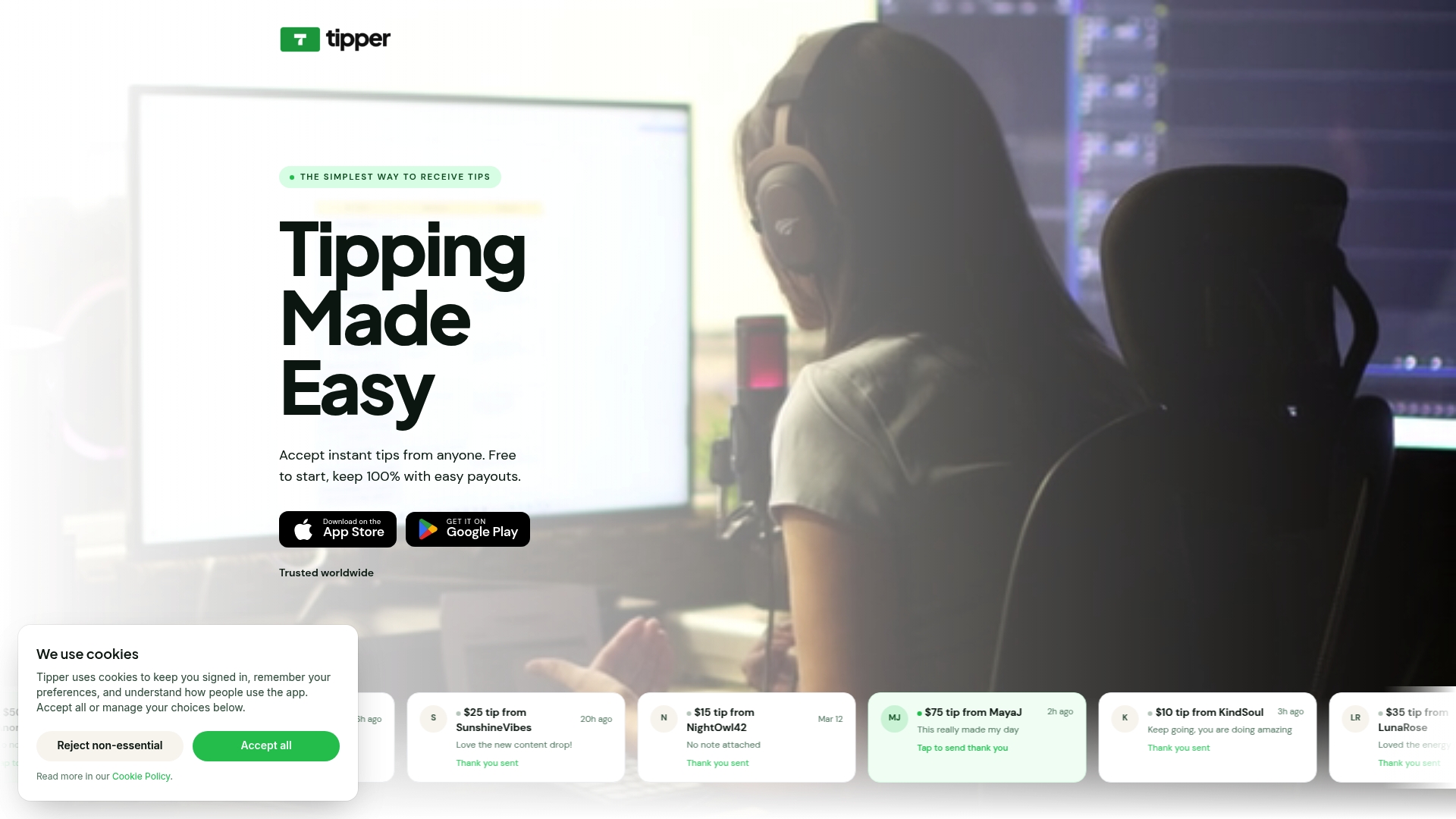
You can embed your Tipper link in invoices, email signatures, and project delivery messages so clients always have a direct way to show appreciation. Instant notifications tell you the moment a tip lands, and personal thank-you notes from clients make every transaction feel like a real connection. If you want a faster, more personal way to receive tips after projects, Tipper is built exactly for that.
FAQ
How much should I expect to receive as a tip after a project?
Typical tip amounts range from $20 to $50 for small jobs and $50 to $200 for larger projects. The amount depends on project scope, client budget, and how smoothly the experience felt from their perspective.
When is the best time to ask for a tip after project delivery?
Send your tip invitation 3 to 5 days after delivery, separate from the invoice. This window lets clients experience the completed work and respond from genuine satisfaction rather than obligation.
Is it unprofessional to ask for a tip as a freelancer?
Asking for a tip is professional when framed correctly. Position it as a voluntary appreciation option, keep it separate from your invoice, and use warm, personal language. Clients who feel respected are far more likely to tip.
What tools make it easiest to receive tips after project completion?
Tipper lets clients tip instantly via Apple Pay or Google Pay through a personalized link, with no account needed. QuoteIQ embeds tip options directly in invoices for service businesses that prefer tips at the payment stage.
Should I ask for a tip and a testimonial at the same time?
No. Send each request in a separate message. Combining a tip ask with a testimonial request creates decision fatigue and reduces the likelihood of receiving either. Space them at least two to three days apart.



Leave A Comment