
Digital gratuity is the practice of collecting customer tips through electronic methods such as NFC cards, QR codes, and integrated payment prompts, replacing or supplementing cash. Local business digital gratuity examples range from a coffee shop NFC card near the register to a QR code on a restaurant table that routes tips directly to staff digital wallets. These methods work because they meet customers where they already are: paying with their phones. A nationwide coffeehouse chain saw a 20% increase in employee tips within six months of switching to digital tipping. That result is repeatable, and the playbook is simpler than most owners expect.
1. What are the best local business digital gratuity examples?
The most effective digital gratuity systems share one trait: they fit inside the existing payment moment without adding friction. The customer is already reaching for their phone or card. A well-placed prompt captures a tip that would otherwise never happen.
NFC tip cards at the point of sale
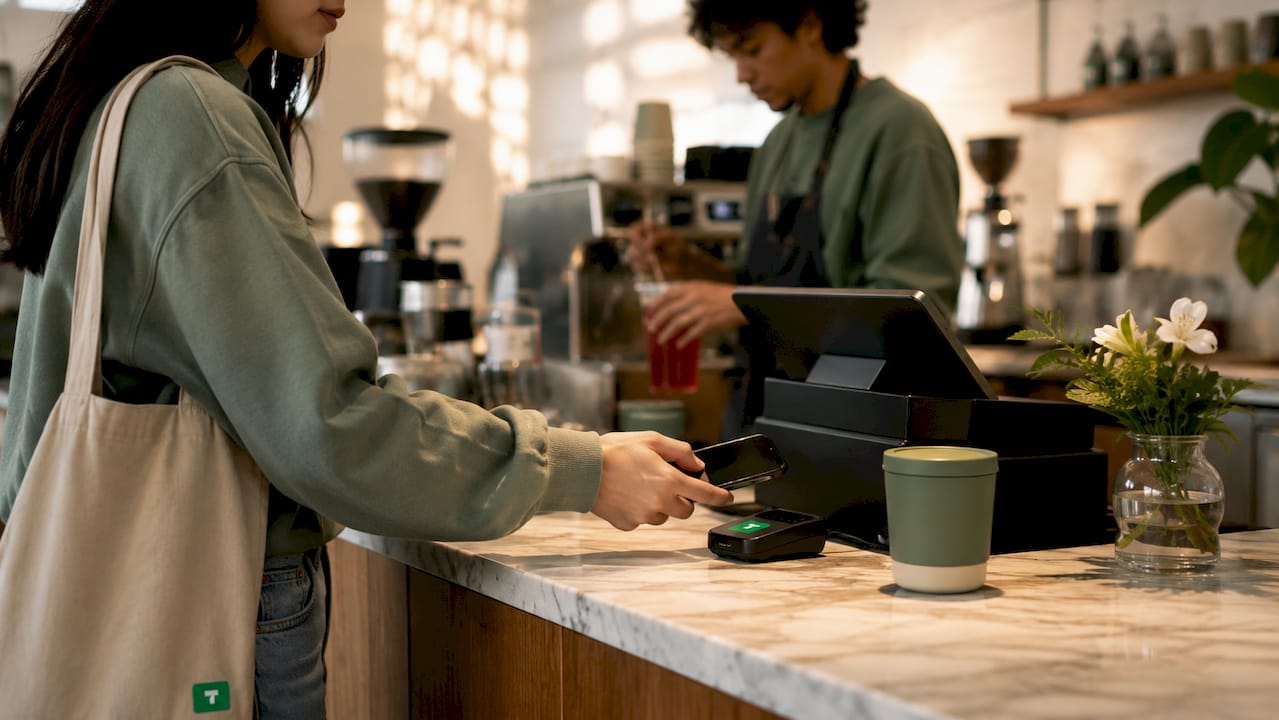
NFC cards sit near a register or on a counter. A customer taps their phone and a tip screen appears instantly, no app download required. Local cafés using NFC cards saw a 28% tip increase within 60 days, along with 18% more five-star reviews and 12% social media follower growth. That combination of outcomes from a single tap makes NFC one of the highest-return tools available to small businesses.
QR codes at tables and counters
A printed QR code on a table tent, receipt, or counter card opens a tipping page when scanned. QR codes work especially well in full-service restaurants, salons, and food trucks where the customer lingers after the transaction. The setup cost is near zero, and the code can link to a page that also collects a review or a social follow. Tipper supports this format natively, letting businesses generate a personalized link that customers reach by scanning.
Tip prompts inside mobile payment apps
Many point-of-sale terminals now display a tip screen as part of the Apple Pay or Google Pay checkout flow. The customer sees preset amounts (for example, 15%, 20%, or 25%) before confirming payment. This format works because the tip decision happens before the customer puts their phone away, not as an afterthought. Apple Pay and Google Pay tips also process instantly, which means staff see their earnings faster.
Embedded tips in online ordering and delivery platforms
Online ordering pages for restaurants and food businesses can include a tip field at checkout. The customer selects an amount before placing the order, so the tip is collected without any in-person interaction. This format captures gratuities from customers who would never carry cash and who complete the entire transaction on their own device.
Multi-function NFC devices that bundle tips, reviews, and follows
Some NFC devices go beyond tipping. A single tap can prompt a customer to leave a Google review, follow the business on Instagram, and tip a staff member, all from one screen. This bundled approach increases the value of each customer interaction without requiring extra staff effort. For businesses focused on contactless tip collection, these devices represent the most efficient format currently available.
Pro Tip: Place your NFC card or QR code at eye level near the payment terminal, not buried on a table. Visibility at the moment of payment is the single biggest driver of tap-through rates.
2. How clear, transparent tipping workflows increase digital gratuity success
Transparency is the most underrated factor in digital tipping performance. Customers tip more when they understand exactly what they are paying and why.
The core principle is simple: show the customer the full amount, including the tip, before they confirm payment. Pre-set tip options and service charge controls improve tipping performance and reduce friction by removing the mental math that slows customers down. A customer who sees “$4.50 tip (20%)” in plain text is more likely to accept it than one who has to calculate the amount themselves.
Avoid stacking multiple tip requests in a single transaction. Asking a customer to tip the barista, then the delivery driver, then the kitchen staff in separate prompts creates what researchers call “tipflation.” A viral incident involving a $25 order with excessive tip prompts showed that poor communication around tipping can generate negative feedback that spreads far beyond the original customer. One clear, well-timed prompt outperforms three confusing ones every time.
Tronc systems, which are automated tip distribution frameworks used in hospitality, add another layer of trust. Automated tronc distribution gives staff full, transparent visibility of tips earned and aligns with tax regulations to protect the business from compliance errors. Customers who know tips go directly to staff, not into a general fund, are more likely to tip generously.
“Clear and simple tipping workflows without excessive prompts sustain customer trust and maximize gratuities. Transparency and automation in tipping build employee trust and protect business compliance, making them the two pillars of any successful digital gratuity program.”
Staff communication reinforces all of this. A brief, natural mention from a server or barista (“You can tap here to leave a tip if you’d like”) removes ambiguity and increases conversion without pressure. Clear signage near the payment point serves the same function for self-service environments.
3. What technological features boost digital gratuity effectiveness?
The right technology removes every barrier between a customer’s intention to tip and the actual payment. The features below separate high-performing digital gratuity systems from basic ones.
| Feature | What it does | Why it matters |
|---|---|---|
| NFC and QR quick-tap | Opens tip screen in one tap or scan | Reduces steps and abandonment |
| Preset tip percentages | Displays 15%, 20%, 25% before payment | Removes calculation friction |
| Role-based tip profiles | Routes tips to specific staff or roles | Accurate attribution in multi-role teams |
| Central dashboard controls | Adjusts tip options by location or channel | Fast changes during peak periods |
| Instant digital payout | Sends tips to staff wallets immediately | Improves morale and reduces cash errors |
Role-based profiles deserve special attention. In hotels, spas, and restaurants, multiple staff members serve a single customer. Role-based profiles and team sharing in digital gratuity platforms are critical for accurate tip attribution in these multi-role environments. A general-purpose payment app cannot handle this correctly without dedicated workflow features.
Central dashboard controls give managers real-time flexibility. Configuring toggleable, channel-specific tipping options from one dashboard prevents confusion and allows fast operational adjustments during busy periods. A manager can turn off a tip prompt for a self-service kiosk during a lunch rush and restore it afterward without touching the hardware.
Instant digital payout access significantly improves employee satisfaction by giving workers autonomy over their earnings. Staff who receive tips in a digital wallet within minutes of a shift are more engaged than those waiting for a weekly cash envelope. That engagement shows up in customer service quality, which drives more tips in return.
Pro Tip: If your business has multiple service roles, choose a platform with role-based tip distribution before anything else. Misattributed tips are the fastest way to damage staff trust in a new digital gratuity system.
4. How to implement digital gratuity systems smoothly
Implementation does not require a large budget or a technology overhaul. Most local businesses can set up NFC or QR-based digital tipping in under 20 minutes without complex point-of-sale integration. The barrier is lower than most owners assume.
A practical rollout follows these steps:
- Choose your entry point. Start with a standalone NFC card or a printed QR code. Neither requires integration with your existing payment system. Place it at the counter or on the table where payment happens.
- Set your tip options. Configure two or three preset amounts or percentages. Fewer choices reduce decision fatigue. A 15%, 20%, and 25% structure covers most customer preferences.
- Train staff in one sentence. Teach your team to say something brief and natural, not scripted. “You can tap here if you’d like to leave a tip” is enough. Pressure-free mentions outperform silence and scripted pitches alike.
- Keep cash tipping available. Digital and cash gratuity are not mutually exclusive. Maintaining a tip jar alongside your digital option captures customers who prefer cash and signals that you are not forcing a new behavior.
- Monitor and adjust. Review tip totals weekly for the first month. If a specific prompt or placement underperforms, adjust the position, the preset amounts, or the timing of the request. Cashless tipping setup is iterative, not a one-time decision.
- Use dashboard controls during peak periods. If your platform supports it, increase the default tip suggestion during high-traffic hours when service quality is highest and customers are most satisfied.
- Collect feedback alongside tips. Link your tip prompt to a short review request. Customers who just tipped are in a positive frame of mind and more likely to leave a five-star review than those who are not prompted at all.
The benefits of digital tipping for local businesses compound over time. Early adopters in a neighborhood often see a competitive advantage in staff retention because their employees earn more and receive it faster.
Key takeaways
Digital gratuity systems work best when they are visible, simple, and transparent, combining NFC or QR entry points with instant staff payouts and clear tip options shown before payment confirmation.
| Point | Details |
|---|---|
| NFC and QR are the fastest entry points | Both deploy in under 20 minutes with no POS integration required. |
| Transparency drives higher tips | Showing the full amount including tip before payment reduces friction and increases acceptance. |
| Role-based distribution protects staff trust | Accurate tip attribution in multi-role teams requires dedicated workflow features, not general apps. |
| Instant payouts improve employee morale | Staff who receive tips immediately are more engaged, which improves service quality and tips over time. |
| Avoid tip stacking | Multiple prompts in one transaction cause customer frustration and can generate public backlash. |
What I’ve learned about digital gratuity after watching hundreds of local businesses
The businesses that see the biggest gains from digital tipping are not the ones with the fanciest technology. They are the ones that treat the tip prompt as part of the service experience, not as an afterthought bolted onto the payment terminal.
The most common mistake I see is over-prompting. A business installs a digital tipping system, gets excited, and adds tip requests at every touchpoint: the ordering screen, the receipt email, the loyalty app. Customers notice. The backlash is quiet at first, then it shows up in reviews. One well-placed, well-timed prompt beats five scattered ones every time.
Staff buy-in is the other factor that separates successful rollouts from failed ones. When employees understand that digital tips reach their wallets faster than cash ever did, they become advocates for the system. They mention it naturally to customers. They stop dreading the end-of-shift cash count. That shift in attitude is visible to customers and creates a better experience all around.
My honest recommendation for any local business owner reading this: start with a single NFC card or QR code, place it at the payment moment, and watch what happens for 30 days before adding anything else. The psychology behind tipping behavior rewards simplicity. Customers tip when the moment feels right and the action feels easy. Your job is to make both of those things true, not to engineer every possible tip opportunity out of them.
The future of local gratuity practices is not about more prompts. It is about better ones.
— Tipper
Tipper makes digital gratuity simple for local businesses
Setting up a digital tipping system should not take a full day or a developer. Tipper lets customers send tips instantly through a personalized link, with no account required on their end. Customers pay using Apple Pay or Google Pay, and the tip arrives without delay.
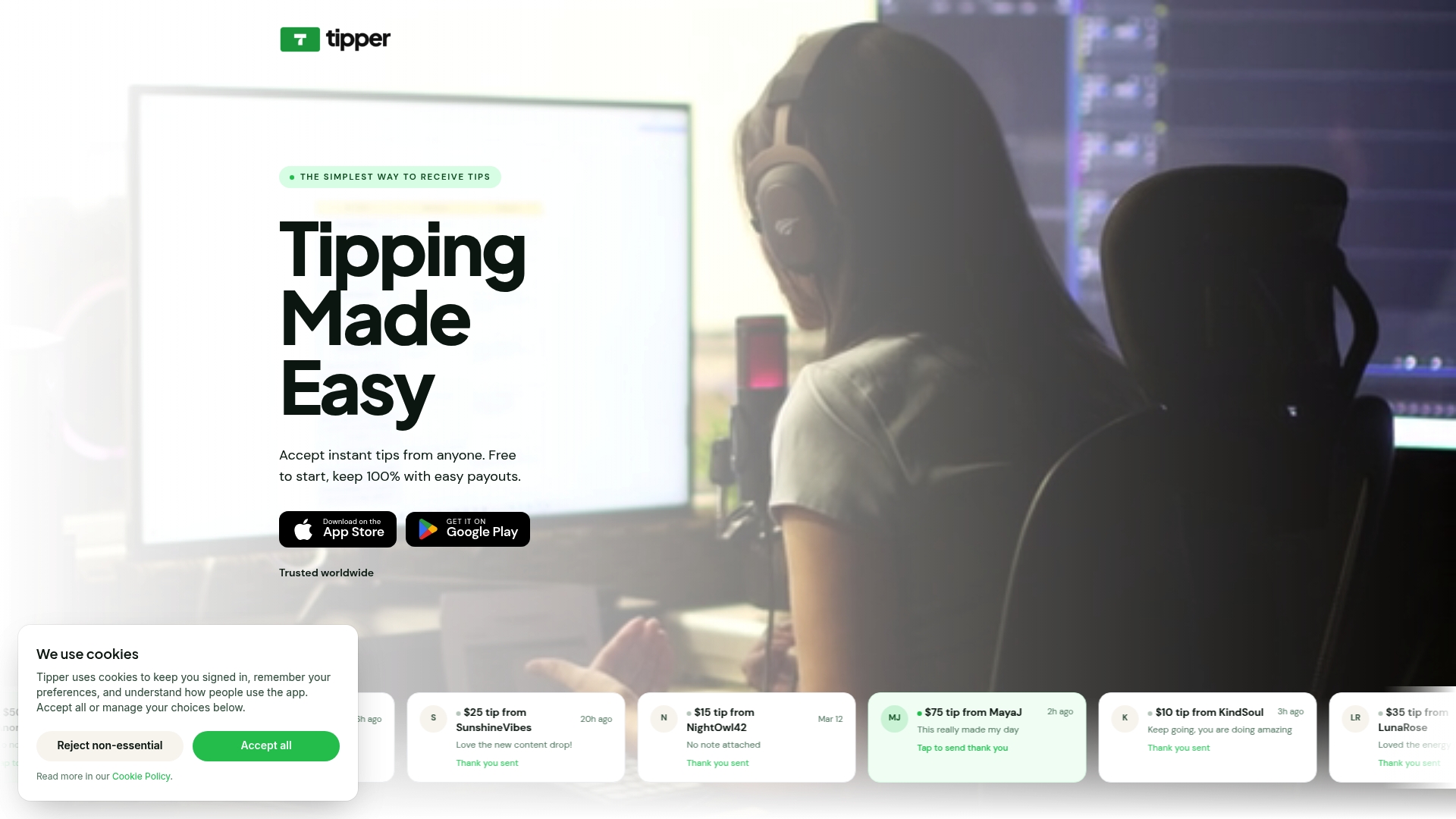
Businesses keep 100% of their tip earnings, and the platform handles the payment flow from start to finish. Whether you run a café, a salon, or a food truck, Tipper fits into your existing setup without replacing your point-of-sale system. Customers can also send a thank-you note or video with their tip, which adds a personal touch that builds loyalty. Visit Tipper to see how fast you can go live, or read more about no-fee tipping systems to compare your options before deciding.
FAQ
What is digital gratuity for local businesses?
Digital gratuity is the collection of customer tips through electronic methods such as NFC cards, QR codes, or payment app prompts. It replaces or supplements cash tipping and routes earnings directly to staff digital wallets.
How quickly can a local business set up digital tipping?
Most businesses can deploy a standalone NFC card or QR code in under 20 minutes without integrating with an existing point-of-sale system. No technical expertise is required for basic setups.
Do digital tips increase the amount customers leave?
Local cafés using NFC cards reported a 28% tip increase within 60 days of adoption. Preset tip options shown before payment confirmation reduce friction and consistently produce higher average gratuities than cash-only systems.
How should tips be distributed fairly among staff?
Role-based tip profiles in dedicated digital gratuity platforms route tips to specific staff members or roles automatically. General payment apps lack this feature, which makes them a poor fit for multi-role hospitality environments.
What is the biggest mistake businesses make with digital tipping?
Stacking multiple tip prompts across a single transaction is the most common error. Excessive prompting causes customer frustration and can generate negative public feedback, as documented in widely shared incidents involving confusing tip requests on small orders.




[…] Local Business Digital Gratuity Examples That Work […]